
In modern battery manufacturing, the forming process is no longer a simple matter of applying force to sheet metal. Battery cases, energy storage housings, precision covers, structural frames, and related components require stable forming accuracy, repeatable slide motion, sufficient working space, and the ability to adapt to multiple die specifications. The BLPC2-80 Multi-Spec High-Precision Open-Type Double-Point Battery Power Press is designed to meet these requirements with an 800 kN nominal capacity, a long 180 mm slide stroke, a spacious 1600 x 610 mm worktable, and a rigid open-type double-point structure suitable for demanding battery component production.
This article introduces the product’s core advantages, technical characteristics, application value, and manufacturing background. It also explains why this model is a competitive choice for battery case production, energy storage component forming, and precision stamping operations where productivity, stability, and die flexibility are essential. In addition, the article highlights the advanced production strengths of Zhejiang Bolun High-Precision Machinery Co., Ltd., a manufacturer focused on high-precision forming equipment, customized machinery solutions, and long-term industrial reliability.
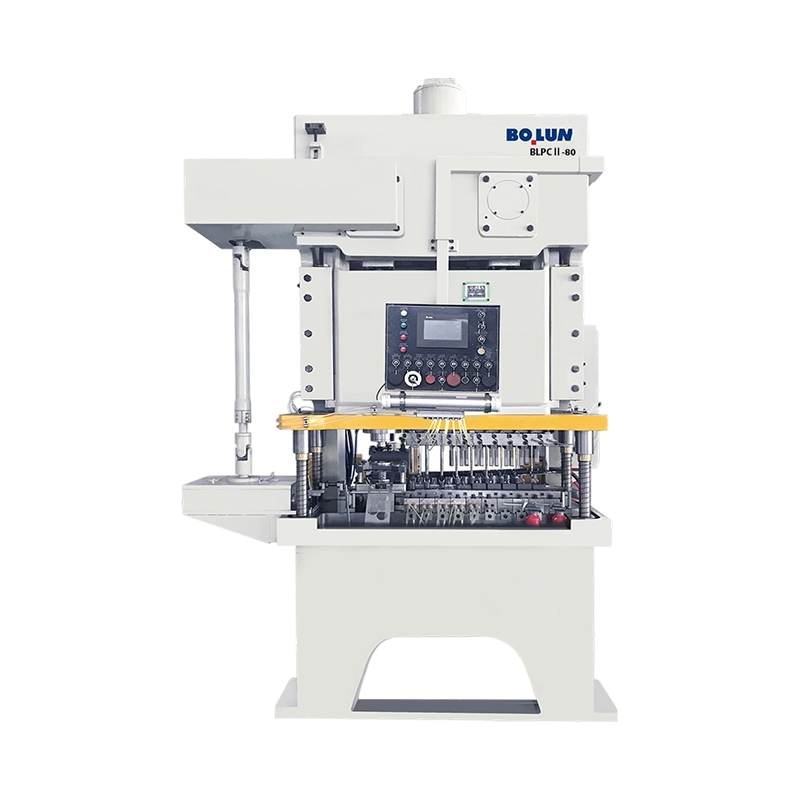
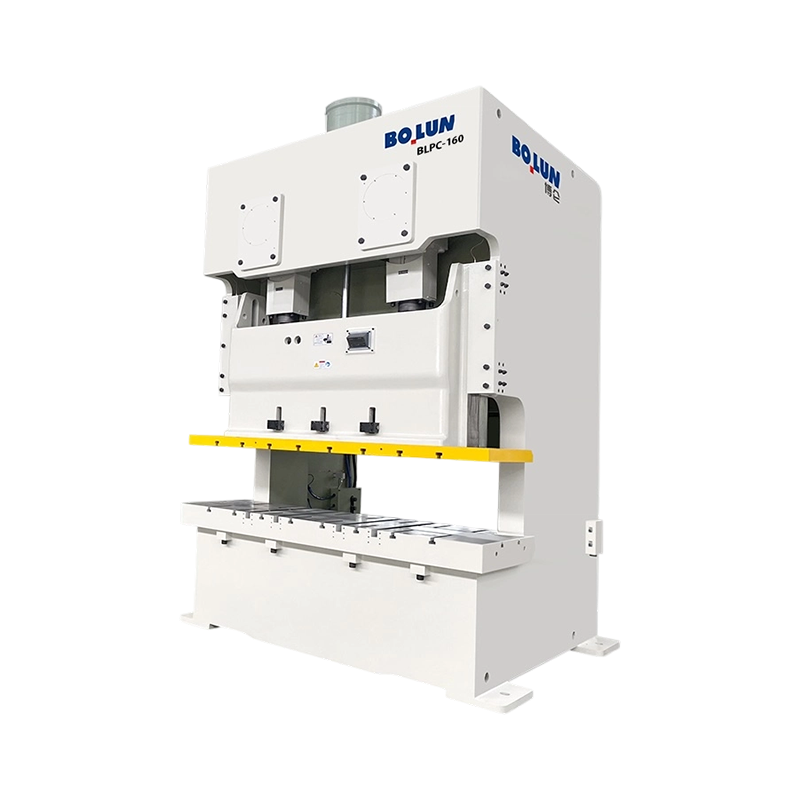
BLPC2-80 Multi-Spec High-Precision Open-Type Double-Point Battery Power Press
The BLPC2-80 is an open-type double-point battery power press developed for high-precision forming tasks in the new energy and industrial stamping sectors. Its design focuses on the accurate and stable production of deeper battery housings and specialized energy storage components. With a nominal force of 800 kN, the machine is positioned between lighter-duty presses and larger heavy-duty forming equipment, making it suitable for manufacturers that require a balance of forming force, operational flexibility, and production efficiency.
Compared with ordinary single-point open presses, the double-point structure provides better slide balance across a wider working area. This is particularly important when forming elongated parts, battery trays, rectangular housings, and wide components that require uniform pressure distribution. The open-type frame also provides convenient access for die installation, feeding systems, material handling, and production line integration.
The 180 mm slide stroke gives the press a strong advantage in applications requiring deeper forming. Battery cases and energy storage shells often need larger drawing depth than conventional shallow stamping parts. A longer stroke helps reduce forming limitations and supports more complex die processes. Meanwhile, the maximum die height of 320 mm and die height adjustment of 80 mm allow the press to adapt to different mold sizes, improving its suitability for multi-specification production environments.
The worktable size of 1600 x 610 x 130 mm offers ample space for various tooling layouts. For battery-related production, large mold bases, progressive dies, transfer dies, and custom forming dies may require more stable support and wider mounting dimensions. The BLPC2-80 responds to this need with a broad working platform and a slide bottom size of 1450 x 520 x 70 mm, providing a practical foundation for reliable die clamping and precision forming.
The following table summarizes the main technical data of the BLPC2-80 model and places it alongside related models in the same product series for comparison. The BLPC2-80 stands out as a versatile mid-to-high-capacity option for battery case forming applications.
| Basic Data | BLPCⅡ-63 | BLPCⅡ-80 | BLPCⅡ-110 |
| Model | V H | V H | V H |
| Nominal Capacity | 630 kN | 800 kN | 1100 kN |
| Nominal Pressure Stroke | 5 mm | 5 mm | 5 mm |
| Strokes of Slide | 140 mm | 180 mm | 190 mm |
| Strokes per Minute | 50-80 S.P.M | 45-75 S.P.M | 35-70 S.P.M |
| Max. Die Height | 280 mm | 320 mm | 480 mm |
| Die Height Adjustment | 50 mm | 80 mm | 90 mm |
| Worktable Size | 1300 x 550 x 120 mm | 1600 x 610 x 130 mm | 1970 x 680 x 130 mm |
| Slide Bottom Size | 1200 x 500 x 70 mm | 1450 x 520 x 70 mm | 1800 x 580 x 70 mm |
| Side Opening | 250 x 120 mm | 300 x 140 mm | 320 x 180 mm |
| Throat Depth | 285 mm | 310 mm | 350 mm |
| Distance Between Columns | 1000 mm | 1200 mm | 1550 mm |
| Height of Working Face | 940 mm | 957 mm | 1085 mm |
| Max Weight | 360 kg | 450 kg | 690 kg |
| Air Pressure | 0.55 MPa | 0.55 MPa | 0.55 MPa |
| Power Supply | 3-phase 380V 50Hz | 3-phase 380V 50Hz | 3-phase 380V 50Hz |
| Main Motor | 7.5 kW x 4P | 11 kW x 4P | 15 kW x 4P |
From the table, the BLPC2-80 can be understood as a highly practical solution for medium-scale and advanced battery component forming. It offers greater force, stroke, working table size, and die accommodation than the BLPCⅡ-63, while remaining more compact and energy-efficient than larger 1100 kN class equipment. This balance is one of its strongest competitive advantages for manufacturers seeking productivity without unnecessary oversizing.
The open-type double-point structure is one of the most important design features of the BLPC2-80. In stamping production, the structural layout of a press directly affects forming quality, die life, maintenance convenience, and line integration. An open-type frame provides easier access from the front and sides compared with more enclosed configurations. This is useful for operators who frequently change dies, inspect tooling, or integrate automated feeding devices.
The double-point transmission design helps distribute forming force across the slide more evenly. For battery housings, this is especially valuable because many parts have rectangular or elongated geometries. A single-point press may be suitable for smaller central loads, but it can face limitations when the die width increases or when the forming force is not concentrated in the center. The double-point system improves slide balance, reduces eccentric load influence, and supports more consistent forming results.
In competitive production environments, uneven forming can lead to burrs, wrinkles, dimensional deviation, surface defects, and premature die wear. The BLPC2-80 addresses these risks through a rigid steel frame and a structural design intended to minimize vibration and deformation under load. This provides a more stable foundation for high-volume production, where small deviations can accumulate into major quality problems.
Another advantage of the open-type double-point design is flexibility. Battery manufacturers often produce multiple case sizes or customized structural parts for different energy storage systems. The combination of accessibility, wide worktable dimensions, adjustable die height, and stable double-point force transmission makes the BLPC2-80 suitable for changing production requirements without sacrificing precision.
The BLPC2-80 features a 180 mm slide stroke, which is a significant advantage for battery case forming and deeper drawing applications. In battery manufacturing, components often require more than simple flat stamping. Battery shells and housings may involve drawing, bending, trimming, embossing, shaping, and other complex operations. A longer stroke enables the slide to travel farther, making it easier to accommodate taller dies and deeper forming actions.
Competitor presses with shorter slide strokes may be adequate for general stamping, but they may struggle when the product requires depth, accurate wall formation, or multi-stage forming in a single die set. If the stroke is too short, manufacturers may need additional forming steps or separate machines, increasing production cost and process complexity. The 180 mm stroke of the BLPC2-80 gives users more room to design efficient tooling and reduce unnecessary handling.
For specialized energy storage components, the ability to form deeper geometries is not only a matter of productivity. It can also influence product strength, sealing performance, dimensional repeatability, and assembly compatibility. A press that supports stable deep forming contributes to the quality of downstream battery assembly processes.
The extended stroke also benefits die designers. It offers more freedom in selecting cam structures, guiding mechanisms, drawing depths, ejector configurations, and material flow control. This flexibility helps manufacturers respond to changing product designs in the battery industry, where new cell formats, module structures, and storage applications continue to evolve.
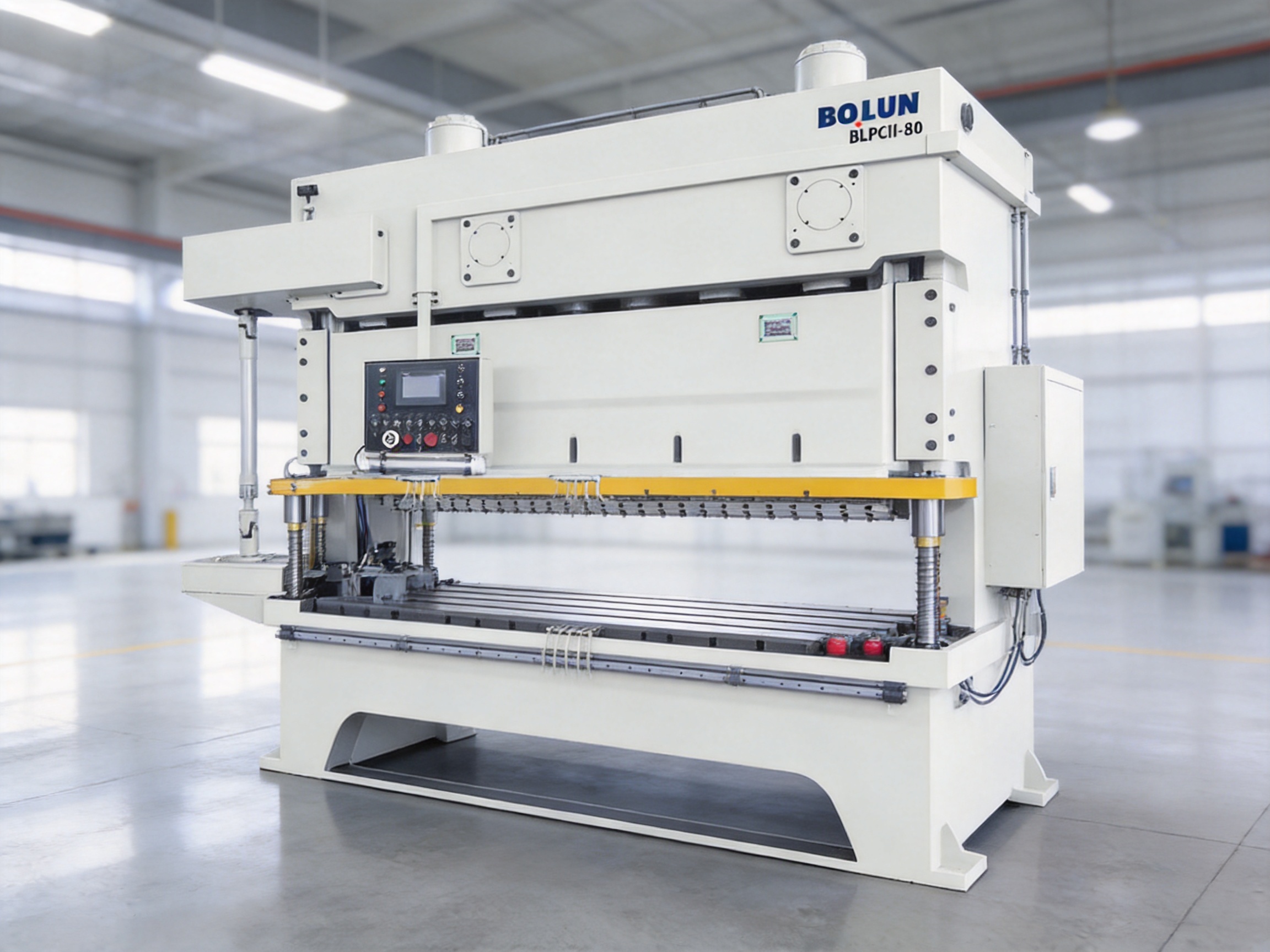
The 1600 x 610 mm worktable is another core advantage of the BLPC2-80. Battery component production often requires dies larger than those used for small appliance parts or general hardware components. Wider mold bases, multiple stations, progressive forming layouts, and dedicated positioning devices all require sufficient table area. The expanded worktable provides the necessary support for these applications.
A larger table also improves production adaptability. Instead of being restricted to one narrow product size, manufacturers can use the BLPC2-80 for various battery housings, covers, brackets, panels, and related precision components. This multi-spec capability is important for factories serving several customers or producing different battery models within the same facility.
The slide bottom size of 1450 x 520 mm complements the worktable by providing a broad contact and mounting area from above. In forming operations, alignment between the slide and worktable is essential. A wide slide base supports large dies more effectively and helps maintain balanced loading. This contributes to better part quality and longer tooling life.
Compared with smaller open-type presses, the BLPC2-80 reduces the need to compromise die design because of limited table space. Manufacturers can design tooling around the product’s forming requirements rather than around the restrictions of the machine. This is a meaningful advantage in high-precision production, where tooling optimization directly affects yield and cost.
A power press used in battery component manufacturing must withstand repeated impact, variable load conditions, and continuous production cycles. The frame must be rigid enough to resist deformation, vibration, and fatigue. The BLPC2-80 uses a high-rigidity steel frame designed for accuracy and durability under intensive operating conditions.
Frame rigidity directly affects slide guidance, die alignment, and product consistency. If a press frame flexes excessively during forming, the result may be inconsistent part dimensions, uneven material flow, die chipping, or surface defects. These problems are costly in battery production because components often require tight assembly tolerances and reliable sealing or fitting performance.
The BLPC2-80 is designed to reduce vibration and provide a stable forming environment. Its rigid structure supports long-term accuracy, especially when producing complex parts or operating over extended shifts. For factories aiming to improve overall equipment effectiveness, this stability can help reduce downtime, lower rejection rates, and extend maintenance intervals.
In comparison with low-cost presses that may focus mainly on basic tonnage, the BLPC2-80 emphasizes total structural performance. Nominal force alone does not determine forming quality. The way that force is transmitted, supported, and controlled is equally important. A rigid frame, balanced slide system, and proper lubrication all work together to produce dependable results.
The BLPC2-80 includes an integrated electric automatic lubrication system, which supports smooth operation and reduces wear on moving parts. In power press equipment, lubrication is not a minor detail; it is a critical factor affecting machine life, operating accuracy, energy consumption, and maintenance workload.
Manual lubrication can be inconsistent because it depends on operator attention and schedule discipline. In busy production environments, missed lubrication points or irregular maintenance can cause increased friction, heat, wear, and mechanical noise. An automatic lubrication system improves reliability by delivering lubrication more consistently to key components.
For high-precision stamping and forming, stable lubrication helps maintain smooth slide motion and reduces resistance in transmission mechanisms. This contributes to repeatable forming accuracy. It also helps protect major components, reducing the risk of unexpected breakdowns and costly downtime.
Compared with machines that rely heavily on manual maintenance, the BLPC2-80 offers a more production-friendly solution. Operators can focus more on tooling, material flow, part inspection, and output quality, while the machine’s lubrication system supports mechanical health in the background. Over the full service life of the equipment, this can produce significant savings in maintenance labor, replacement parts, and production interruptions.
The BLPC2-80 offers several advantages over ordinary open-type power presses and general-purpose stamping machines. These advantages are especially meaningful for battery component manufacturers, where precision, forming depth, production flexibility, and stable operation are all critical.
The double-point structure provides better support for wide dies and large rectangular components. Ordinary single-point presses may produce acceptable results for small centered parts, but battery housings often require wider forming areas. The BLPC2-80 helps reduce eccentric loading influence and supports more uniform pressure distribution.
The 180 mm slide stroke gives the press an advantage in deeper drawing and forming processes. This reduces the limitations often seen in shorter-stroke presses and allows more flexible die design for battery cases and energy storage housings.
The 1600 x 610 mm worktable and 1450 x 520 mm slide bottom provide more tooling space. This makes the machine more suitable for multi-specification production and larger battery-related dies.
The high-rigidity steel frame is designed to reduce vibration and maintain long-term accuracy. This improves product consistency and protects dies from unnecessary stress.
The electric automatic lubrication system helps reduce wear and makes maintenance more predictable. This supports longer service life and more stable production scheduling.
With 800 kN nominal capacity, the BLPC2-80 offers a practical balance between forming force and operating economy. It is more capable than smaller presses while avoiding the unnecessary size, cost, and energy consumption of larger equipment when 1100 kN is not required.
The BLPC2-80 is particularly suitable for battery case production and energy storage component forming. As electric vehicles, portable energy systems, industrial storage cabinets, and renewable energy infrastructure continue to expand, the demand for precise, durable, and high-volume battery components is increasing. A reliable press is a key part of this supply chain.
Typical applications may include battery housings, battery case shells, rectangular covers, protective structural parts, brackets, module components, support plates, and other formed metal parts used in battery systems. The machine can also be adapted for related precision stamping tasks in electronics, hardware, automotive components, and industrial equipment manufacturing.
Battery components often need repeatable dimensions because they must fit into assemblies with limited tolerance ranges. A housing that is slightly distorted may cause sealing problems, poor assembly alignment, or inconsistent mechanical protection. The BLPC2-80 supports stable forming conditions to help manufacturers achieve better repeatability.
The press is also valuable for producers working with multiple product specifications. Battery technology changes quickly, and manufacturing facilities must be ready to adapt. The BLPC2-80’s die height adjustment, wide worktable, and open-type accessibility support faster changeovers and broader tooling compatibility. This makes it a strong option for both mass production and flexible manufacturing environments.
The BLPC2-80 operates at 45 to 75 strokes per minute, providing a suitable productivity range for precision forming tasks. In battery component manufacturing, speed must be balanced with accuracy, die protection, material behavior, and automation compatibility. Excessive speed without stability can lead to defects and equipment stress, while overly slow equipment may reduce output and increase unit cost.
The 45-75 S.P.M range allows manufacturers to optimize production according to material thickness, part complexity, die design, and feeding method. For simpler stamping operations, higher speeds can improve throughput. For deeper forming or more complex parts, lower speeds may provide better material flow and part quality. This adjustable productivity range gives the machine practical flexibility.
When combined with automatic feeding systems, transfer mechanisms, or customized production lines, the BLPC2-80 can become part of a more efficient stamping process. The open-type structure and side opening dimensions of 300 x 140 mm support easier integration and material movement. The 1200 mm distance between columns provides sufficient space for many battery-related tooling arrangements.
Productivity is not measured only by strokes per minute. Real productivity also depends on uptime, die change efficiency, defect rates, maintenance frequency, and operator convenience. The BLPC2-80 contributes to these areas through stable structure, accessible design, reliable lubrication, and multi-spec tooling compatibility.
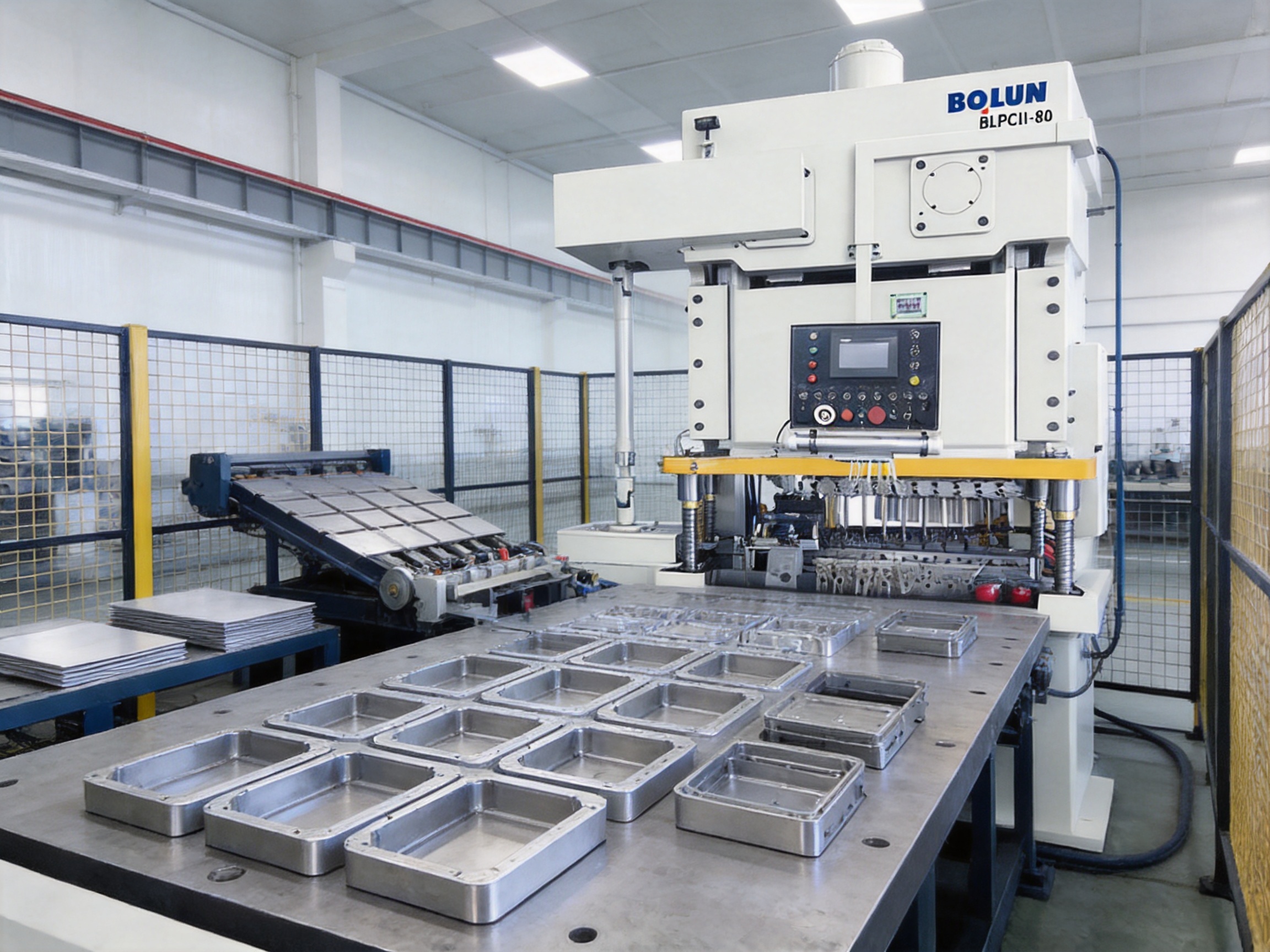
The quality of a power press depends not only on its design parameters but also on the manufacturing capability behind it. Zhejiang Bolun High-Precision Machinery Co., Ltd. is located in Zhejiang, an important center of China’s precision manufacturing industry. With approximately two decades of experience in machinery manufacturing, the company has developed into a modern enterprise integrating research and development, design, production, sales, and service.
The company’s development is based on long-term technical accumulation and continuous improvement in forging and casting machinery. Instead of simply assembling standard equipment, it emphasizes a complete production system, from basic design and core component development to precision processing and final machine assembly. This full-chain approach allows better control over product quality and performance consistency.
Advanced manufacturing processes are essential for producing high-precision forming equipment. Power presses contain many critical components that must be processed accurately and assembled carefully. Frame machining, slide manufacturing, guideway precision, transmission alignment, lubrication routing, electrical control integration, and final inspection all influence performance. Zhejiang Bolun’s emphasis on process control helps ensure that each machine can meet demanding industrial use conditions.
The company also focuses on non-standard customization. Battery component manufacturers often require machines adapted to special die dimensions, production line layouts, feeding methods, safety requirements, or process characteristics. A manufacturer with design and customization capability can provide better solutions than a supplier offering only fixed standard models. This is a major strength in today’s fast-changing manufacturing environment.
A full-chain production system means that the manufacturer controls multiple stages of product realization. For power press equipment, this includes engineering design, structural analysis, material selection, component processing, assembly, testing, quality inspection, and service support. Such a system improves accountability and makes it easier to maintain stable standards.
Precision processing equipment is essential for producing key press components. If the frame, slide, table surface, and guide structures are not processed accurately, the machine may suffer from alignment errors that cannot be solved through assembly alone. High-quality machining provides the foundation for smooth operation and long-term precision.
Zhejiang Bolun’s production philosophy emphasizes rigorous control over every process and component. This is especially important for equipment used under high-intensity conditions. A power press experiences repeated mechanical stress, and even small quality weaknesses can grow into major failures over time. Strong process control reduces these risks.
The finished product inspection system is designed to exceed common industry expectations. Inspection is not limited to outward appearance; it involves checking mechanical accuracy, functional performance, lubrication operation, electrical systems, and general stability. This helps ensure that the machine delivered to the customer is ready for reliable production.
The battery industry is characterized by rapid product development. Different customers may use different battery formats, materials, case structures, and assembly requirements. Therefore, stamping equipment must often be adapted to real production needs. Zhejiang Bolun relies on a capable design team to provide one-stop design and manufacturing services for products with special specifications and functions.
For customers, this means the BLPC2-80 can be more than a standard press. It can become part of a tailored forming solution. Depending on the production plan, the equipment may be combined with feeding devices, safety systems, tooling solutions, or automation interfaces. The ability to customize helps customers improve production efficiency and reduce the gap between equipment capability and actual process needs.
Competitors that lack strong design resources may provide lower-cost equipment but may not solve complex manufacturing challenges. In contrast, a supplier with engineering depth can help evaluate forming requirements, recommend appropriate machine specifications, and support long-term production improvements. This is particularly valuable for high-precision battery component production, where trial-and-error costs can be high.
Customization also supports future development. As battery designs change, factories may need to adjust production processes. A machine built with flexibility and supported by a responsive manufacturer gives customers more confidence in long-term investment value.
Quality is central to the value of the BLPC2-80. A power press is a capital investment expected to operate for many years. Customers need equipment that can maintain performance under continuous production and resist premature wear. Zhejiang Bolun places strong emphasis on quality as the foundation of its business reputation.
The company follows a production approach based on careful management, rigorous inspection, and continuous improvement. Every component and process influences the final machine. For example, a precisely machined slide improves movement accuracy; a stable frame supports forming consistency; a reliable lubrication system reduces wear; and proper electrical integration improves operational safety and convenience.
Reliability also depends on after-sales service. The company provides a customer-oriented service system covering pre-sales consultation, in-sales support, and after-sales guarantees. This service approach helps customers choose suitable equipment, install and operate it correctly, and address issues that may arise during production.
In competitive markets, equipment buyers increasingly evaluate total cost of ownership rather than only purchase price. A lower-cost press may become expensive if it produces defects, requires frequent repair, or cannot adapt to new production needs. The BLPC2-80 is positioned as a long-term production tool with strong stability, precision, and service support.
Manufacturing is moving toward intelligent, connected, and data-driven production. Stamping equipment is increasingly expected to integrate with automated feeding, monitoring systems, production management platforms, and digital quality control. Zhejiang Bolun continues to invest attention in intelligent and digital stamping equipment, aiming to support the future needs of advanced manufacturing.
The BLPC2-80’s stable mechanical foundation makes it suitable for integration into modern production lines. A machine cannot become truly intelligent if its basic mechanical accuracy is weak. Precision structure, repeatable slide movement, reliable lubrication, and consistent forming force are the foundation upon which automation and digital monitoring can provide value.
For battery manufacturers, intelligent production can help improve traceability, reduce labor dependence, detect abnormalities, and increase production consistency. Press equipment must therefore be compatible with efficient line layouts and reliable long-term operation. The BLPC2-80’s open-type structure and practical specifications support this direction.
As the new energy industry continues to grow, manufacturers that invest in flexible and stable forming equipment will be better prepared for changes in product demand. The BLPC2-80 offers a strong base for such development by combining mechanical capability with adaptability.
Operator convenience is an important but sometimes overlooked factor in press selection. A machine that is difficult to access, adjust, or maintain can reduce production efficiency and increase operational risk. The open-type design of the BLPC2-80 improves accessibility for die installation, inspection, cleaning, and routine maintenance.
The working face height of 957 mm provides a practical operating level for many production environments. The throat depth of 310 mm and distance between columns of 1200 mm allow flexible material handling and tooling arrangement. These dimensions help operators and engineers plan production more efficiently.
Stable machine operation also contributes to safety. Excessive vibration, poor lubrication, or inconsistent slide movement can increase risk during production. The BLPC2-80’s rigid frame and automatic lubrication system support smoother mechanical behavior. When combined with appropriate guarding, operating procedures, and automation systems, the press can become part of a safer production environment.
Safety is not only a machine feature but a complete system involving equipment design, operator training, tooling protection, electrical control, maintenance discipline, and factory management. A well-built machine makes it easier for manufacturers to establish and maintain safe production practices.
Investing in a power press requires careful consideration of cost, capability, productivity, reliability, and future adaptability. The BLPC2-80 provides strong economic value because it combines an 800 kN capacity with a long stroke, large working table, and durable structure. It is powerful enough for many battery forming tasks while remaining more economical than oversized equipment.
One source of return on investment is reduced defect rate. Stable forming accuracy helps reduce scrap, rework, and quality disputes. In battery component production, material and process costs can be significant, so even small improvements in yield may produce meaningful savings.
Another source of value is tooling flexibility. A press that can accommodate different die specifications allows manufacturers to serve multiple products or customers. This reduces the need for additional equipment and improves workshop utilization. The BLPC2-80’s worktable, die height adjustment, and open access support this flexibility.
Maintenance savings also contribute to economic value. The automatic lubrication system reduces wear and supports more predictable maintenance. A rigid frame and high-quality manufacturing reduce the likelihood of early structural problems. Together, these factors can lower long-term operating costs.
Finally, production continuity is a major economic factor. Unexpected downtime can disrupt delivery schedules and damage customer relationships. Equipment designed for stability and supported by a capable manufacturer helps protect production reliability.
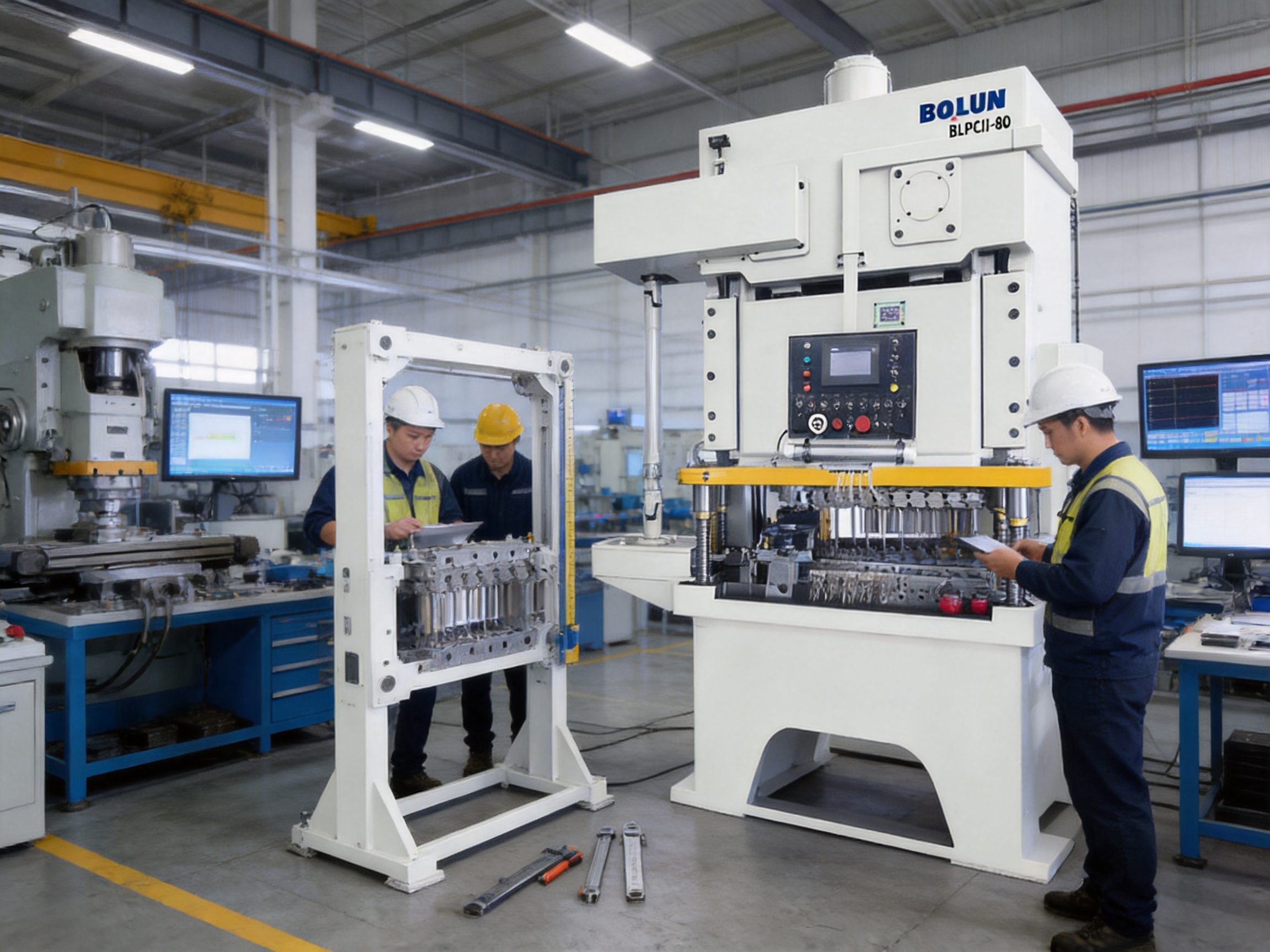
The BLPC2-80 is suitable for battery component manufacturers, new energy equipment suppliers, metal forming factories, automotive component producers, industrial hardware manufacturers, and companies requiring precision stamping of medium-to-large parts. It is especially attractive for facilities that need a press with more capability than small general-purpose models but do not require the size or cost of larger heavy presses.
For battery case producers, the machine provides forming depth, table size, and structural stability. For energy storage component manufacturers, it offers flexibility for multiple part sizes. For contract stamping factories, it enables broader service capability because it can handle various die specifications. For manufacturers moving toward automation, its accessible structure supports line integration.
The machine is also useful for factories that value balanced investment. Instead of buying several smaller presses with limited capability, a manufacturer may choose the BLPC2-80 as a versatile production platform. Its specifications make it capable of handling a wide range of forming requirements while maintaining efficient operation.
Power presses can be divided into open-type, closed-type, and other specialized structures. Each type has its own advantages. Closed-type presses often provide very strong frame rigidity and are suitable for heavy-duty forming or high-force applications. However, they may be less accessible and may require more floor space or higher investment. Other specialized presses may be designed for narrow process requirements but may lack general flexibility.
The BLPC2-80 open-type double-point press offers a practical middle ground. It provides better accessibility than many closed-type machines while delivering more balanced force distribution than ordinary single-point open presses. For battery component production, this combination is highly valuable because factories often require both precision and frequent tooling flexibility.
Compared with general open-type presses, the BLPC2-80’s double-point structure, large worktable, and longer stroke make it more suitable for wide and deeper parts. Compared with larger closed-type presses, it may offer easier operation, faster die access, and better investment efficiency for medium-capacity applications. This positioning gives it a clear competitive role in the market.
The BLPC2-80 has a nominal capacity of 800 kN, making it suitable for medium-to-high precision forming tasks, especially battery cases and energy storage components.
The 180 mm slide stroke allows deeper forming operations and provides more flexibility for die design. This is useful for producing deeper battery housings and specialized formed parts.
The double-point structure distributes force more evenly across the slide, making it better for wide dies and elongated components than ordinary single-point presses.
The BLPC2-80 has a worktable size of 1600 x 610 x 130 mm, providing sufficient space for multi-specification dies and larger battery component tooling.
The electric automatic lubrication system supplies lubrication more consistently to important moving parts, reducing wear, improving operating stability, and lowering maintenance workload.
No. Although it is designed with battery case and energy storage component production in mind, it can also be used for precision stamping, forming, and metal component production in related industries.
Compared with smaller presses, the BLPC2-80 offers higher force, longer stroke, larger worktable space, and better flexibility for larger or deeper formed parts.
If 800 kN is sufficient for the intended parts, the BLPC2-80 can provide better investment efficiency, lower energy demand, and a more compact production footprint than oversized equipment.
Zhejiang Bolun High-Precision Machinery Co., Ltd. has experience in precision machinery manufacturing, full-chain production capability, advanced processing equipment, non-standard customization ability, and a rigorous finished product inspection system.
Yes. The manufacturer provides design and manufacturing services for special specifications and functions, helping customers adapt equipment to actual production requirements.
The BLPC2-80 Multi-Spec High-Precision Open-Type Double-Point Battery Power Press is a strong solution for modern battery component forming and precision stamping operations. Its 800 kN nominal capacity, 180 mm slide stroke, 1600 x 610 mm worktable, 320 mm maximum die height, and 80 mm die height adjustment provide a practical combination of force, depth, space, and flexibility.
Its open-type double-point structure gives it an advantage over ordinary single-point presses by improving slide balance and supporting wider dies. Its rigid steel frame and automatic lubrication system contribute to long-term accuracy, reduced wear, and stable production. For manufacturers of battery cases, energy storage housings, and related precision parts, these features directly support product quality and production efficiency.
Beyond the machine itself, the manufacturing capability of Zhejiang Bolun High-Precision Machinery Co., Ltd. strengthens the product’s value. With integrated research and development, design, production, sales, and service, the company provides not only equipment but also practical industrial solutions. Its focus on technological innovation, full-chain production, non-standard customization, strict quality control, and customer-oriented service makes it a capable partner for high-precision forming equipment users.
As battery manufacturing and intelligent industrial production continue to develop, the need for stable, flexible, and accurate forming equipment will keep increasing. The BLPC2-80 is well positioned to meet this demand. It offers the power required for demanding applications, the flexibility needed for multi-specification production, and the manufacturing quality expected from a modern high-precision machinery supplier.
1. Altan, T., and Tekkaya, A. E. Sheet Metal Forming: Processes and Applications. ASM International.
2. Lange, K. Handbook of Metal Forming. Society of Manufacturing Engineers.
3. Schuler GmbH. Metal Forming Handbook. Springer.
4. Kalpakjian, S., and Schmid, S. R. Manufacturing Engineering and Technology. Pearson.
5. Groover, M. P. Fundamentals of Modern Manufacturing: Materials, Processes, and Systems. Wiley.
6. International Organization for Standardization. Safety of Machinery and Industrial Press Equipment Standards.
7. Industry research materials on battery case forming, precision stamping, and energy storage component manufacturing.


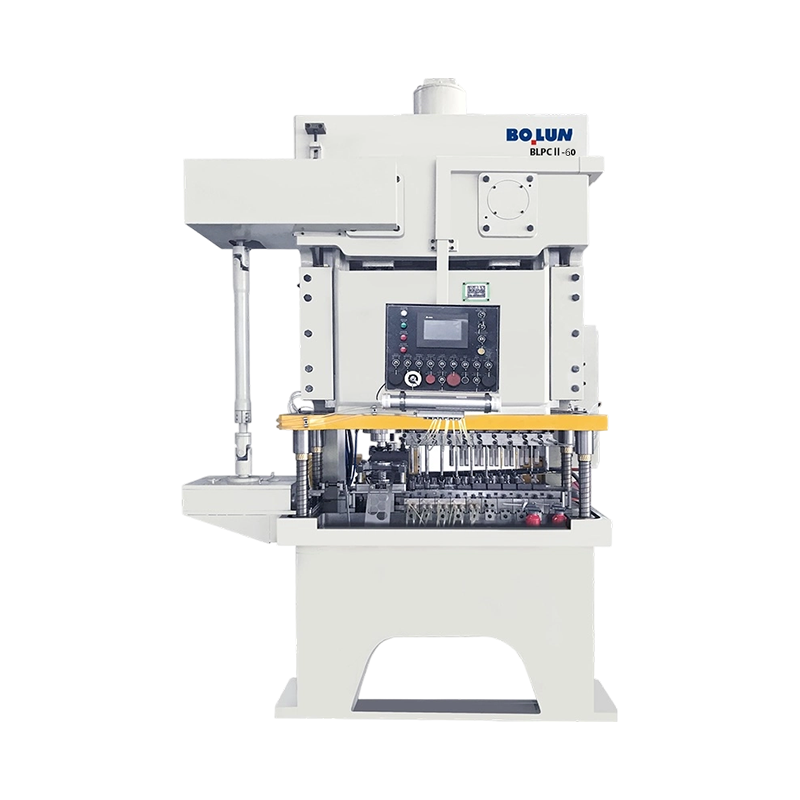
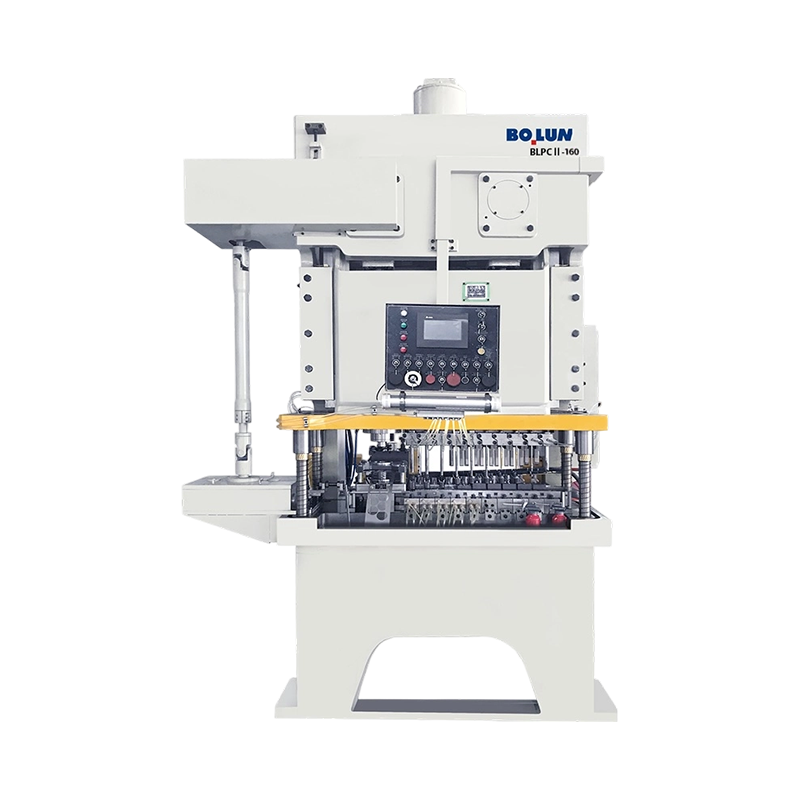
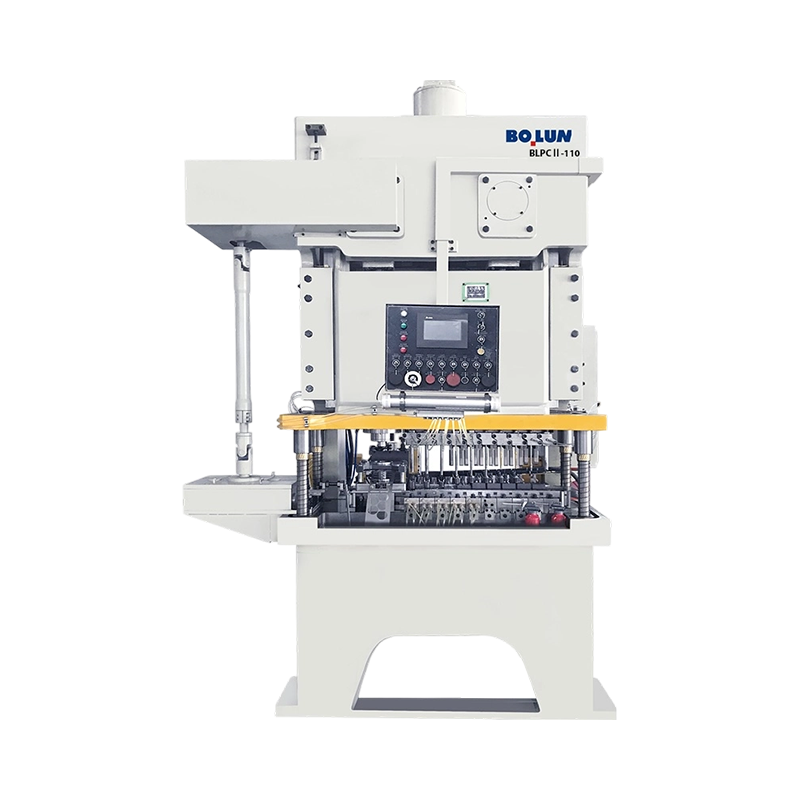
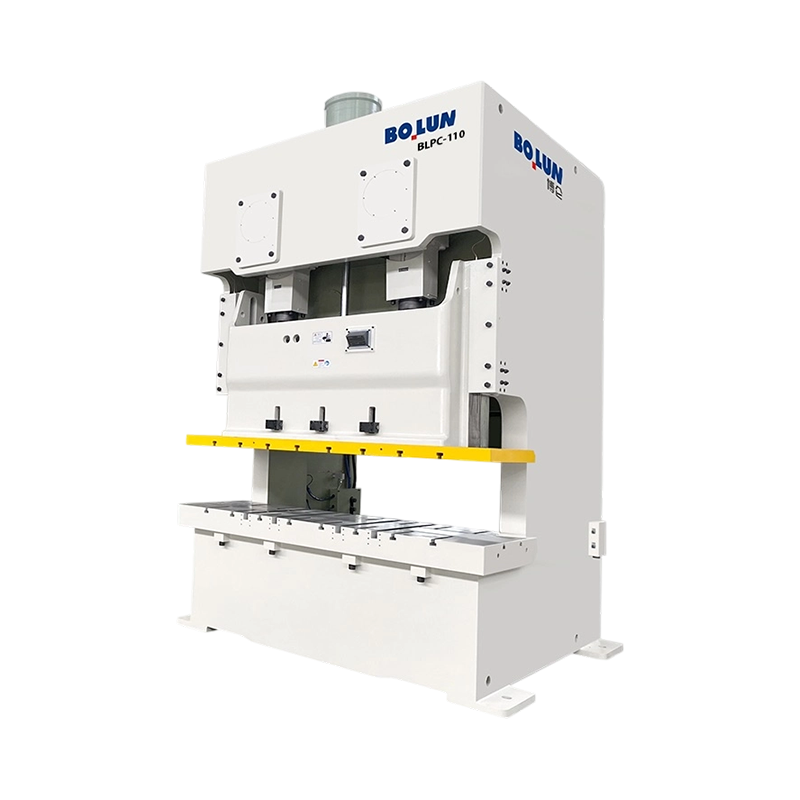
Understanding Mechanical Power Presses and Their Essential Functions A mechani...
What Is a Power Press? A power press — also called a stamping press or punch pr...
In the fields of metal forming, sheet metal fabrication, blanking, and punching,...
Power press machines are classified in two main ways: by frame construction, w...
As the manufacturing industry moves steadily toward automation and smart product...
In modern manufacturing, cold forging is widely used in the automotive, aerospac...
Contact Us

bolunpress@gmail.com

+86-575-83362228

+86-15158259588

+86-575-83362999

+86-15158259588

Hangzhou Office Add: No. 332 Wangjiang East Road, Shangcheng District

No.1 Linjiang Road East, Xiaren, Jinting Town, Shengzhou City, Zhejiang Province, China
Ready to Begin?
Get in Touch

Now!

ZHEJIANG BOLUN
 English
 中文简体
中文简体