
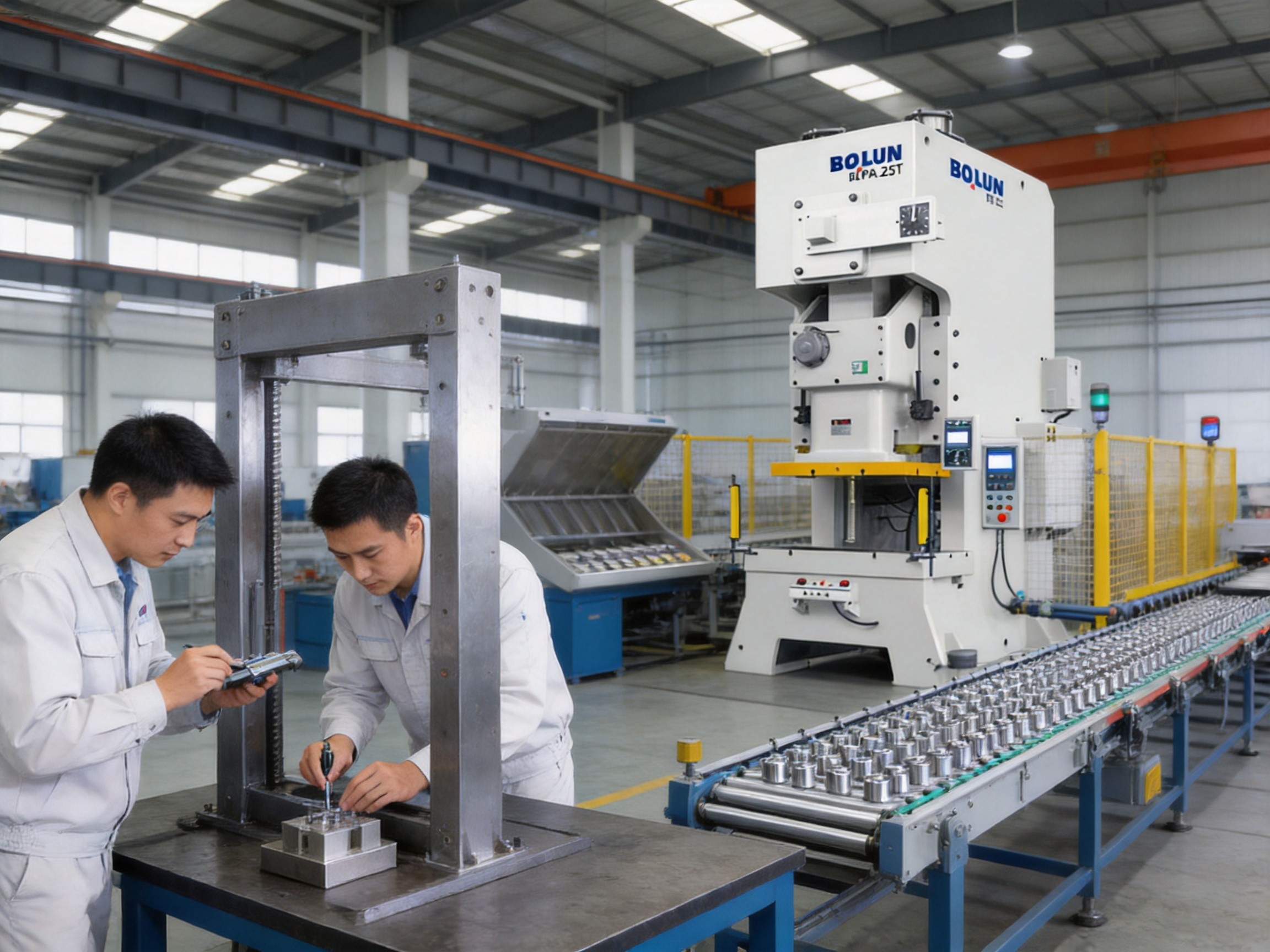
Modern stamping operations require more than a machine with sufficient pressing force. Manufacturers need dependable accuracy, stable performance, fast die setup, effective overload protection, and a frame that can maintain its geometry through years of repeated production. These requirements become especially important when producing small precision components, where minor variations in slide movement, die alignment, or stopping position can affect dimensional quality and increase scrap.
The BLPA-25 Compact Precision Open-Type Single-Point Power Press is engineered to address these production challenges. With a nominal capacity of 250 kN, the machine is designed for high-efficiency stamping and forming of small and medium-sized precision components. Its open-type single-point structure provides practical access to the working area, while its rigid steel-plate frame, dry clutch brake system, dual solenoid valve, hydraulic overload protector, and manual slide adjustment device create a balanced combination of productivity, operational safety, and setup control.
The machine is part of a broader precision press platform that covers multiple capacities and configurations. This allows manufacturers to select equipment according to material thickness, die dimensions, production speed, and forming requirements. Within this range, the BLPA-25 occupies a useful position for companies that need more capacity than a small 150 kN press but do not require the larger footprint, investment, or energy demand of a heavier industrial press.
The primary purpose of the BLPA-25 is the efficient production of small-scale precision components. Typical applications for this class of power press may include blanking, punching, bending, shallow forming, embossing, and other die-based operations that require repeatable slide motion and controlled force. The appropriate process depends on the material, die design, stroke, tonnage curve, and production objective, but the machine’s configuration is well suited to repetitive operations in which consistency is essential.
A nominal capacity of 250 kN provides a practical working range for many precision metalworking tasks. The machine can deliver a substantial increase in available force compared with entry-level presses while retaining a compact construction. This balance is valuable for workshops, component manufacturers, appliance suppliers, electrical-product producers, hardware factories, and other operations where floor space and production flexibility must be considered together.
Precision stamping is not determined by nominal capacity alone. A press must also maintain a stable frame, guide the slide accurately, stop reliably, and protect the die and machine when abnormal loads occur. The BLPA-25 addresses these factors through an integrated mechanical and hydraulic design. Its frame resists deformation, its clutch-brake arrangement supports controlled operation, and its hydraulic overload protector provides a safeguard against excessive forming loads.
The machine is described as a compact precision open-type single-point press. “Open-type” refers to the accessible construction around the working zone, which can simplify material loading, unloading, die installation, inspection, and integration with feeding equipment. “Single-point” identifies the central drive and slide force arrangement, a common configuration for general-purpose stamping and forming. Together, these features offer a practical combination of accessibility and structural efficiency.
Frame rigidity is one of the most important foundations of press performance. During stamping, the machine is exposed to repeated impact loads and reaction forces. If the frame is insufficiently rigid, deflection can affect die alignment, part dimensions, tool life, and noise levels. Repeated deformation can also accelerate wear in guides, connecting components, and tooling.
The BLPA-25 uses a high-rigidity frame constructed from steel plates. According to the supplied technical information, these plates undergo rigorous heat treatment intended to eliminate internal stress. This process supports long-term structural stability by reducing the risk that residual stresses will gradually influence the frame after welding, machining, or extended operation.
Stress relief is particularly important for welded steel structures. Welding introduces localized heat and can create uneven thermal effects within the material. If these internal stresses remain uncontrolled, the structure may experience dimensional movement during subsequent machining or service. Heat treatment after fabrication helps stabilize the frame so that critical surfaces and mounting positions remain more consistent over time.
For users, the benefit is not limited to the frame itself. A stable structure creates a better foundation for the slide guide system, die mounting surfaces, and drive mechanism. It can help the press maintain repeatability from one production batch to another and reduce the likelihood that alignment problems will be mistaken for die defects or material variation.
Compared with a basic press using a less rigid or insufficiently stabilized frame, the BLPA-25 is positioned to provide stronger resistance to operational deformation. This advantage is valuable when the machine is used at higher production rates or when the tooling requires accurate upper and lower die alignment. It also supports the long service life expected from industrial forming equipment.
The dry clutch brake system is a central component of the BLPA-25 operating system. In a power press, the clutch engages the drive mechanism, while the brake brings the slide to a controlled stop. The quality of this system affects starting response, stopping accuracy, cycle reliability, and operator safety.
The BLPA-25 is equipped with a highly sensitive dry clutch brake system. High sensitivity allows the machine to respond promptly to operating commands and helps control the slide during operation and stopping. Reliable engagement and release are important in single-stroke production, adjustment work, and repetitive automatic or semiautomatic cycles.
A responsive clutch brake also contributes to process consistency. When the slide starts and stops at predictable positions, the die experiences more stable operating conditions. This can help maintain part quality, especially when the process depends on accurate bottom-dead-center positioning or controlled clearance between upper and lower tooling.
Dry clutch brake systems are widely used in mechanical presses because they can provide rapid cycling and effective control when correctly maintained. Their performance depends on proper air pressure, adjustment, lubrication of applicable components, inspection, and adherence to the manufacturer’s maintenance instructions. The supplied specification lists an operating air pressure of 0.55 MPa for the press range, including the BLPA-25.
The clutch brake should always be evaluated as part of a complete safety system rather than as an isolated component. Correct guarding, emergency stopping, control logic, die protection, and operator training remain essential. Within that complete system, the sensitive clutch brake provides a strong foundation for repeatable press movement.
The BLPA-25 combines a dual solenoid valve with a hydraulic overload protector. This combination supports both control reliability and machine protection. The dual solenoid valve contributes to the controlled operation of the clutch-brake circuit, while the hydraulic overload protector is designed to respond when the press encounters an excessive or abnormal load.
Overload conditions can occur for many reasons. A die may be incorrectly adjusted, a workpiece may be misfed, two sheets may enter the die together, or the material may differ from the expected specification. Without effective overload protection, these events can damage the die, deform the slide, overload the crankshaft, or place excessive stress on the frame and connecting components.
The hydraulic overload protector provides an additional layer of defense. When pressure rises beyond the permitted range, the protective system can help limit the effects of the overload and reduce the risk of severe mechanical damage. This is especially important in precision production, where the cost of a die, progressive tool, or specialized fixture may be far greater than the cost of a single replacement part.
The dual solenoid valve arrangement further supports dependable clutch-brake control. A redundant or dual-valve configuration can improve control integrity when compared with a simpler single-valve arrangement, subject to the applicable control design and maintenance procedures. It should be inspected regularly, and any signs of leakage, delayed response, unusual noise, or inconsistent stopping should be investigated immediately.
In practical production, protective devices do more than prevent catastrophic failures. They can reduce unplanned downtime, protect tooling investment, and increase confidence when the press is integrated into a high-volume line. The BLPA-25’s protection architecture therefore contributes to its overall value beyond its basic pressing capacity.
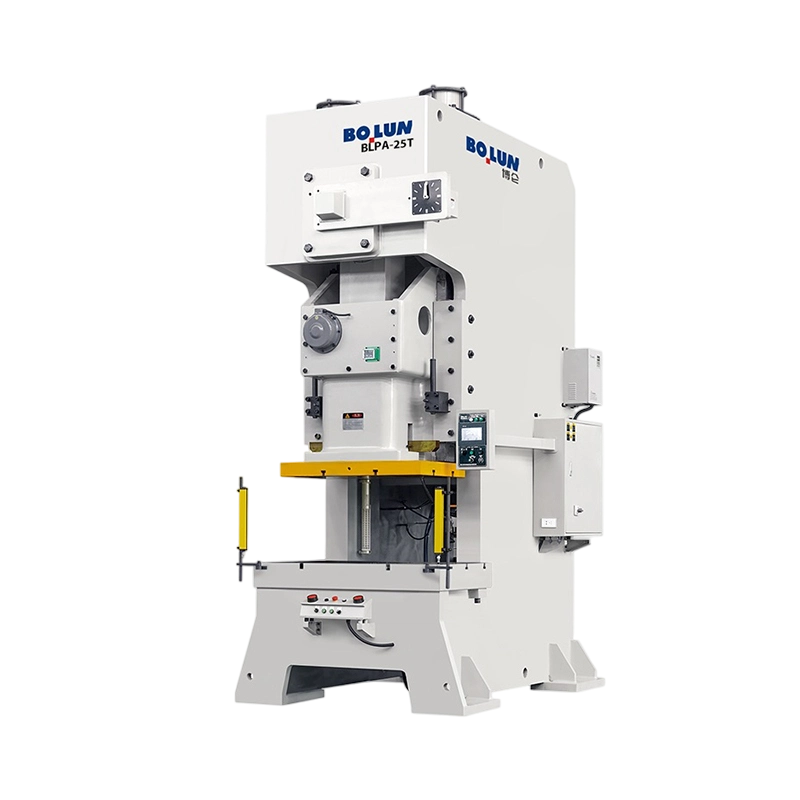
BLPA-25 Compact Precision Open-Type Single-Point Power Press
Manufacturing space is increasingly valuable. A press that delivers useful capacity without occupying excessive floor area can improve facility planning and reduce the cost of expansion. The BLPA-25 is described as a compact precision machine, making it suitable for production environments where equipment must be arranged efficiently.
The listed overall dimensions for the BLPA-25 are approximately 1,280 mm by 850 mm by 2,200 mm, although the exact dimensions should be confirmed according to the selected configuration, accessories, guarding, electrical standards, and customer requirements. Its listed machine weight is approximately 2.0 tons. These dimensions and weight place the machine in a manageable category for many workshops and production floors, while still providing a 250 kN nominal capacity.
The open-type frame creates access from the front and sides of the working area. This can simplify die loading and removal, manual material positioning, visual inspection, and routine cleaning. It can also support the installation of peripheral equipment such as feeders, conveyors, sensors, scrap chutes, and transfer devices, provided the complete line is engineered for safe operation.
Compactness should not be confused with reduced capability. A well-designed compact press can provide a favorable ratio between working capacity and occupied space. The BLPA-25 is intended to offer this balance by combining a rigid frame and controlled slide system with a practical working area. It is particularly suitable where operators need a machine that is accessible and flexible without moving immediately to a larger, more expensive press.
Efficient die setup directly influences production utilization. Long setup times reduce available operating hours, while inaccurate adjustment can result in poor part quality, die damage, or repeated trial production. The BLPA-25 uses a manual slide adjustment device to support quick and precise die setup.
The supplied detailed specification table lists two BLPA-25 configurations, identified as V and H. The maximum die height is listed as 195 mm for the V configuration and 215 mm for the H configuration. The die-height adjustment range is listed as 50 mm for both. The product description separately states that the BLPA-25 supports a maximum die height of up to 260 mm. Because these values may refer to different configurations, measurement conventions, or product revisions, buyers should confirm the final maximum die height with the manufacturer before ordering or designing tooling.
Regardless of the selected configuration, the importance of the adjustment device remains the same. The slide must be positioned accurately relative to the die so that the tool closes correctly, the material is formed at the intended position, and the press does not operate outside the safe working range. Manual adjustment is particularly appropriate for operations with occasional die changes or for users seeking a straightforward setup mechanism without the complexity of a motorized adjustment system.
The BLPA-25 specification identifies manual operation for the die-height adjuster on the BLPA-15 and a 0.4 kW adjustment motor for the BLPA-25 and several related models. However, the product description specifically states that the BLPA-25 utilizes a manual slide adjustment device. This is another specification point that should be confirmed for the exact delivered configuration. Clear confirmation before purchase helps ensure that the machine, tooling, and production method are fully compatible.
A well-managed die setup procedure should include cleaning the worktable and slide bottom, checking die shoes and shanks, verifying shut height, confirming fastener torque, inspecting feed alignment, and performing a slow or inching test before production. The adjustment system makes these steps easier, but it does not replace proper setup discipline.
The detailed table lists the BLPA-25 worktable size as approximately 680 mm by 300 mm by 70 mm. The slide bottom size is listed as approximately 300 mm by 220 mm by 50 mm. The throat depth is listed as approximately 155 mm, and the distance between columns is approximately 418 mm. These dimensions provide important guidance when evaluating die size, material access, and workpiece geometry.
The worktable must support the die base with adequate contact and fastening. Tooling should remain within the machine’s rated working area, and the die should be installed so that the load is distributed appropriately. Off-center loading can create uneven stress, affect slide guidance, and reduce tool and machine life. The open frame offers accessibility, but the die layout must still comply with the machine’s operating limitations.
The listed shank-hole diameter for the BLPA-25 is Ø38.1 mm. This specification is relevant when selecting punches, die sets, adapters, and tooling components. Tool designers should also verify the available slide stroke, die height, adjustment range, shut height, and required feed clearance before finalizing the die design.
The table lists slide strokes of 70 mm for the V configuration and 30 mm for the H configuration. The nominal pressure stroke is listed as 3.2 mm for the V configuration and 1.6 mm for the H configuration. These differences are significant because they affect suitable applications and production rates. A longer slide stroke may be helpful for certain forming and material-clearance requirements, while a shorter stroke may support faster operation in suitable shallow stamping applications.
The correct configuration should therefore be selected according to the actual forming process rather than nominal tonnage alone. A buyer should provide the manufacturer with the material type, thickness, blank dimensions, die layout, required stroke, production rate, feed method, and expected load curve. This information enables a more accurate technical recommendation.
Speed is a major consideration in stamping production, but maximum speed must always be balanced against material handling, die design, lubrication, part complexity, and safety. For the BLPA-25, the supplied table lists a speed-changing range of 60 to 140 strokes per minute for the V configuration and 40 to 120 strokes per minute for the H configuration. The listed stable speed is 110 strokes per minute for the V configuration and 85 strokes per minute for the H configuration.
These figures indicate that the machine can support high-throughput production when the tooling and material-handling system are properly matched. Stable operating speed can be especially valuable for repetitive blanking and punching tasks. However, the actual production rate should be established through process trials and should account for loading, unloading, inspection, scrap removal, and any required pauses.
Compared with a slower hydraulic press used for similar shallow stamping work, a mechanical power press such as the BLPA-25 can offer a higher cycle rate and more suitable performance for repetitive operations. Compared with a larger press, the BLPA-25 may also provide a more economical solution when the required force and die size remain within its working range.
High-speed operation requires disciplined maintenance. Brake response, clutch engagement, air pressure, fastener condition, lubrication, die alignment, and vibration should be monitored. Operators should not increase speed simply to improve output if the material feed, die clearance, or part quality cannot support the change.
For production planning, it is useful to distinguish between theoretical strokes per minute and practical output. Theoretical output is affected by the number of parts produced per stroke, while practical output also includes coil changes, die adjustments, quality checks, scrap handling, and downtime. The BLPA-25 provides the mechanical capability for productive cycling, but the complete line design determines the final output.
The BLPA-25 offers several advantages when compared with conventional or less specialized pressing solutions. The first is its combination of compact dimensions and 250 kN nominal capacity. A smaller machine may lack the force or working space required by the application, while a much larger machine may consume additional floor area and require a higher investment. The BLPA-25 occupies a practical middle ground for many precision component applications.
The second advantage is its focus on precision stability. The heat-treated steel-plate frame is designed to reduce the effects of residual stress and maintain structural rigidity. This is more favorable than a basic construction that does not place the same emphasis on stress control and long-term dimensional stability.
The third advantage is the integrated clutch-brake and overload protection arrangement. A sensitive dry clutch brake supports responsive cycling and stopping, while the dual solenoid valve and hydraulic overload protector add control and protection. These features can reduce the operational risks associated with misfeeds, die errors, and abnormal loads when they are correctly installed and maintained.
The fourth advantage is setup practicality. The manual slide adjustment device provides a direct method for adjusting die height. For manufacturers that change tools periodically but do not require fully automated setup, this can provide a good balance between precision, simplicity, and cost.
The fifth advantage is configuration flexibility. The broader BLPA platform includes multiple capacities, stroke arrangements, speeds, worktable dimensions, and die-height options. This makes it easier for a manufacturer to standardize its press technology across different production requirements while selecting a suitable capacity for each process.
These advantages should not be interpreted as a claim that one machine is suitable for every application. Deep drawing, very large dies, severe off-center loads, unusually thick materials, and highly automated transfer operations may require different press types or additional engineering. The BLPA-25 is strongest when applied within its rated parameters and matched with appropriate tooling and process controls.
The manufacturer, Zhejiang Bolun High-Precision Machinery Co., Ltd., is located in Zhejiang, a major manufacturing region in China. The company reports approximately two decades of experience in machinery manufacturing and has developed capabilities spanning research and development, design, production, sales, and service.
Its stated manufacturing strengths include precision processing equipment, core component development, machine assembly, non-standard customization, and industrial production management. These capabilities are important for a precision press because machine quality depends on the coordination of many stages rather than on final assembly alone.
Precision processing influences the accuracy of mounting surfaces, guide components, crankshaft-related parts, slide connections, and other critical elements. Consistent machining helps ensure that components fit correctly and perform predictably. A mature assembly process then brings these components together while controlling alignment, clearances, fastening, electrical connections, pneumatic circuits, and safety devices.
The company also emphasizes a full-chain production system. Such a system can improve communication between design, machining, assembly, inspection, and service teams. It may also make it easier to address special requirements, such as modified worktable dimensions, customer-specific electrical standards, feeding-system integration, or special die-height conditions.
Non-standard customization is particularly relevant to stamping customers. Production lines rarely have identical requirements. One customer may need a particular stroke and speed combination, while another may require a customized interface for a feeder or a special guarding arrangement. A manufacturer with design and production capabilities in-house is better positioned to evaluate these requirements systematically.
The company’s stated approach also includes international production management experience and a scientific quality-management system. For global customers, this can support clearer technical communication, more consistent documentation, export coordination, and after-sales service. The final level of support should always be confirmed in the commercial and technical agreement, but the integrated structure provides a strong basis for cooperation.
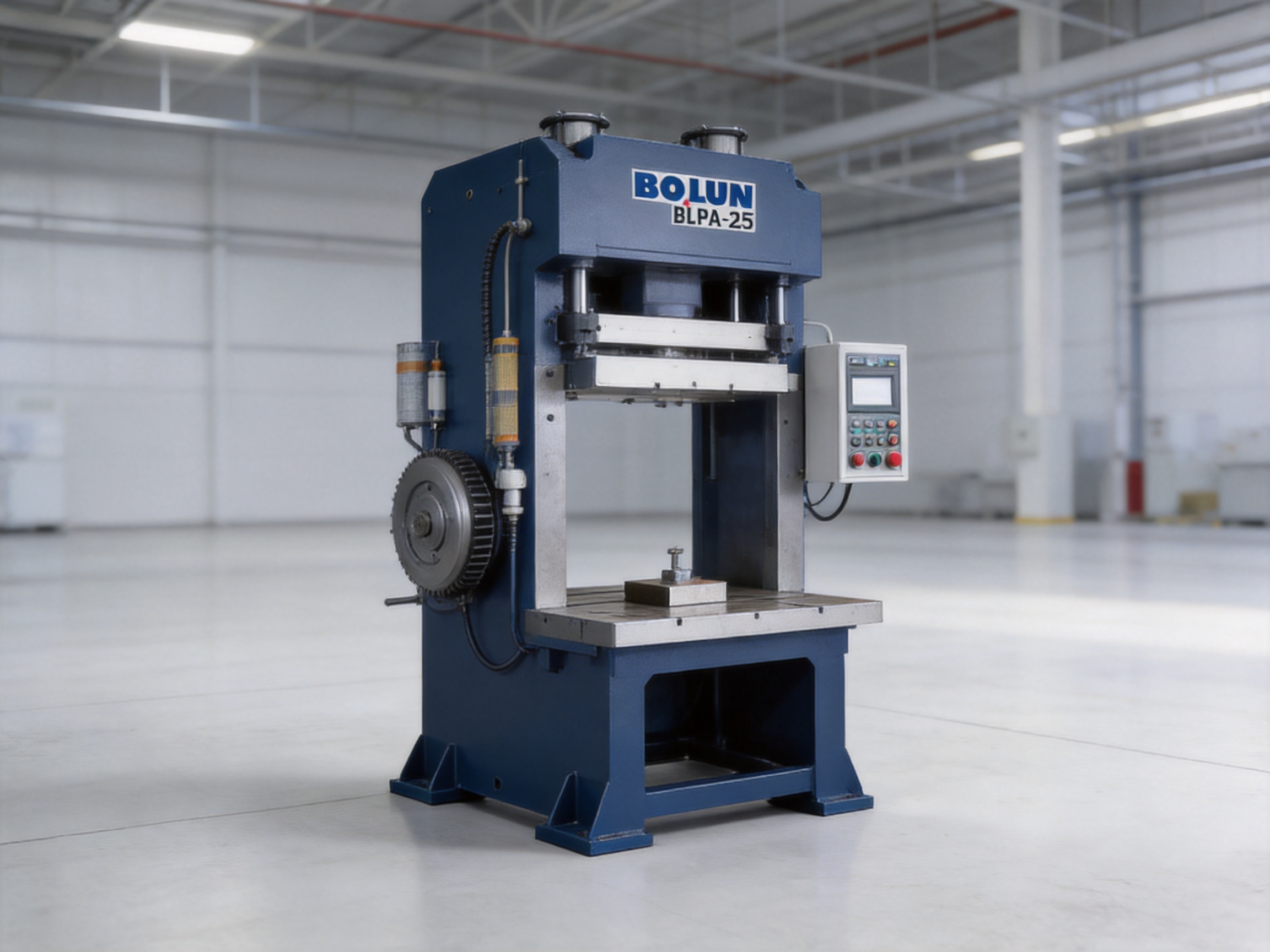
Press performance depends on repeatability, and repeatability depends on quality control. The manufacturer states that it maintains a finished-product inspection system that exceeds ordinary industry requirements. It reports rigorous inspection of processes and components to support stable precision and long service life under high-intensity operating conditions.
For a machine such as the BLPA-25, quality control should cover raw materials, welded frame condition, stress-relief treatment, machining accuracy, component fit, clutch-brake response, hydraulic overload protection, pneumatic pressure stability, electrical controls, and final operating performance. Inspection should also verify the machine’s dimensions, slide movement, die-height adjustment, working-area geometry, and safety functions.
Frame inspection is important because the structure establishes the foundation for the entire press. Machined surfaces should be checked for dimensional accuracy and flatness. Guide and slide movement should be evaluated for smoothness and appropriate clearance. The clutch-brake system should be tested for engagement, release, stopping, and emergency response according to the applicable technical and safety requirements.
Hydraulic and pneumatic circuits require attention because leaks, pressure instability, or incorrect valve response can affect both production and safety. Electrical and control systems should be inspected for correct sequencing, grounding, emergency-stop performance, and compatibility with the customer’s power supply and factory standards.
Although inspection at the factory is essential, customers should also establish an incoming-acceptance procedure. This may include checking the machine against the approved specification, confirming accessories, reviewing documentation, verifying the delivered configuration, and performing trial stamping with representative tooling or test material. Acceptance criteria should be agreed before shipment whenever possible.
Every stamping operation has specific requirements. Material properties, blank shape, die type, feed direction, part tolerance, production speed, and quality standards all influence the appropriate press configuration. The manufacturer’s reported R&D and design capabilities allow the BLPA platform to be considered as part of a broader application solution rather than as an isolated standard product.
Customization may involve electrical voltage and frequency, control language, guarding, feeder interfaces, die-light openings, worktable features, lubrication systems, safety devices, or material-handling equipment. Some applications may also require a different stroke, speed range, or die-height arrangement. These possibilities should be reviewed during technical consultation rather than assumed after ordering.
Application support should begin with a clear description of the production process. Customers should provide drawings of the part and die, material specifications, thickness range, estimated forming force, production volume, required accuracy, and preferred automation level. With this information, the manufacturer can help determine whether the BLPA-25 is suitable or whether another capacity or configuration would be more appropriate.
For complex or high-volume operations, a production trial can be valuable. Trial stamping can reveal whether the selected stroke, speed, die height, feed sequence, and overload settings are appropriate. It can also help identify opportunities to improve lubrication, scrap removal, sensor placement, and operator access before the equipment is installed in the final production line.
Proper installation is necessary to obtain the expected performance from any power press. The foundation or floor must be capable of supporting the machine weight and operating forces. The press should be leveled according to the manufacturer’s instructions, and the working area should provide sufficient clearance for maintenance, die handling, operator movement, and safety guarding.
Utilities must also be prepared in advance. The supplied information lists an air pressure of 0.55 MPa for the press range. The customer should confirm air quality, flow requirements, electrical voltage, frequency, grounding, and protection devices before commissioning. Contaminated or unstable compressed air can affect clutch-brake operation and valve performance.
Commissioning should include no-load operation, control-function checks, emergency-stop verification, clutch-brake testing, slide adjustment, overload-protection testing, lubrication inspection, and low-speed die trials. The machine should not enter full production until all safety systems and process parameters have been confirmed.
Operators should receive training in normal operation, die installation, slide adjustment, material loading, single-stroke and continuous modes, emergency procedures, fault reporting, and daily inspection. Maintenance personnel should be trained to inspect the clutch-brake assembly, valves, hydraulic overload protector, lubrication points, fasteners, guides, and electrical systems.
Safety should remain the first priority. Operators must never place hands or tools in the die area while the machine is capable of cycling. Appropriate guards, two-hand controls, light curtains, interlocks, and other protective equipment should be selected according to the risk assessment and the regulations applicable in the installation country.
A precision press can maintain its performance only when it is maintained systematically. Daily checks should include air pressure, abnormal sounds, oil or hydraulic leakage, visible looseness, clutch-brake response, emergency-stop operation, and general cleanliness. Any change in stopping position, vibration, noise, or slide movement should be recorded and investigated.
Scheduled maintenance should include inspection of the drive system, slide guides, connecting components, die-height adjustment mechanism, pneumatic valves, hydraulic overload protector, electrical cabinet, switches, and safety devices. Lubricants should be selected and replaced according to the manufacturer’s specifications. Fasteners should be checked at appropriate intervals, especially after initial commissioning and during the early operating period.
Tooling maintenance is equally important. A damaged or incorrectly adjusted die can create overloads that affect the press. Dies should be kept clean, properly lubricated where required, correctly aligned, and inspected for chipped punches, blocked clearances, worn guide components, and abnormal material flow.
Preventive maintenance is generally more economical than repairing damage after a failure. It can extend component life, reduce downtime, improve production consistency, and help preserve the machine’s precision. Maintenance records also provide useful information for identifying recurring problems and planning replacement parts before a breakdown occurs.
Before selecting the BLPA-25, a customer should compare the required process with the machine’s available capacity and dimensions. The first consideration is forming force. The calculated peak load must remain within the machine’s rated capacity and should account for the load position, material variation, and die condition.
The second consideration is die compatibility. The die must fit the worktable and slide bottom, match the shank-hole diameter, remain within the permitted die height, and provide sufficient clearance for material feeding and part removal. The required stroke should be compatible with the selected V or H configuration.
The third consideration is speed. The desired production rate should be compared with the listed speed-changing and stable-speed values. The calculation should include the number of parts per stroke, feeding time, inspection requirements, and expected downtime. A slower speed may be preferable when it improves part quality, die life, or operator safety.
The fourth consideration is loading condition. If the die produces strongly unbalanced loads, the application should be reviewed carefully. Centered loading is generally preferable, and any unavoidable offset should be evaluated by qualified technical personnel.
The fifth consideration is automation. The open-type structure may support integration with feeders and conveyors, but the complete system requires coordinated controls, sensors, guarding, and emergency-stop circuits. Automation should be engineered as a complete line rather than added without reviewing the press’s operating sequence.
| Specification | BLPA-25 V Configuration | BLPA-25 H Configuration |
|---|---|---|
| Nominal capacity | 250 kN | 250 kN |
| Nominal pressure stroke | 3.2 mm | 1.6 mm |
| Speed-changing range | 60–140 strokes/min | 40–120 strokes/min |
| Stable speed | 110 strokes/min | 85 strokes/min |
| Slide stroke | 70 mm | 30 mm |
| Listed maximum die height | 195 mm | 215 mm |
| Die-height adjustment | 50 mm | 50 mm |
| Worktable size | 680 × 300 × 70 mm | 680 × 300 × 70 mm |
| Slide bottom size | 300 × 220 × 50 mm | 300 × 220 × 50 mm |
| Throat depth | 155 mm | 155 mm |
| Distance between columns | 418 mm | 418 mm |
| Shank-hole diameter | Ø38.1 mm | Ø38.1 mm |
| Listed overall dimensions | 1,280 × 850 × 2,200 mm | 1,280 × 850 × 2,200 mm |
| Approximate machine weight | 2.0 tons | 2.0 tons |
The values in the table are taken from the supplied product information. Because the product description and detailed table provide different maximum die-height references, the final configuration should be confirmed in the quotation, technical drawing, and purchase agreement.
The BLPA-25 brings together several features that are important to modern stamping operations. Its 250 kN capacity provides useful forming power, while its compact size helps conserve production-floor space. The rigid heat-treated steel-plate frame supports structural stability, and the sensitive dry clutch brake system enables responsive cycling and stopping.
The dual solenoid valve and hydraulic overload protector strengthen the machine’s operational protection. These systems can help limit the consequences of abnormal loads and contribute to safer, more reliable production when maintained correctly. The open-type structure provides access for die installation and material handling, while the slide adjustment system supports practical setup work.
The machine is also supported by a manufacturer with reported capabilities in R&D, precision processing, assembly, customization, quality control, sales, and after-sales service. These capabilities are relevant to customers that require more than a standard machine shipment. They provide a foundation for technical consultation, application review, production trials, and customized integration.
Compared with a basic press that focuses only on nominal tonnage, the BLPA-25 offers a more complete precision-oriented design philosophy. Compared with a much larger machine, it may offer a more efficient solution for smaller components and moderate forming loads. Its strongest value comes from matching its configuration with the actual die and production process.
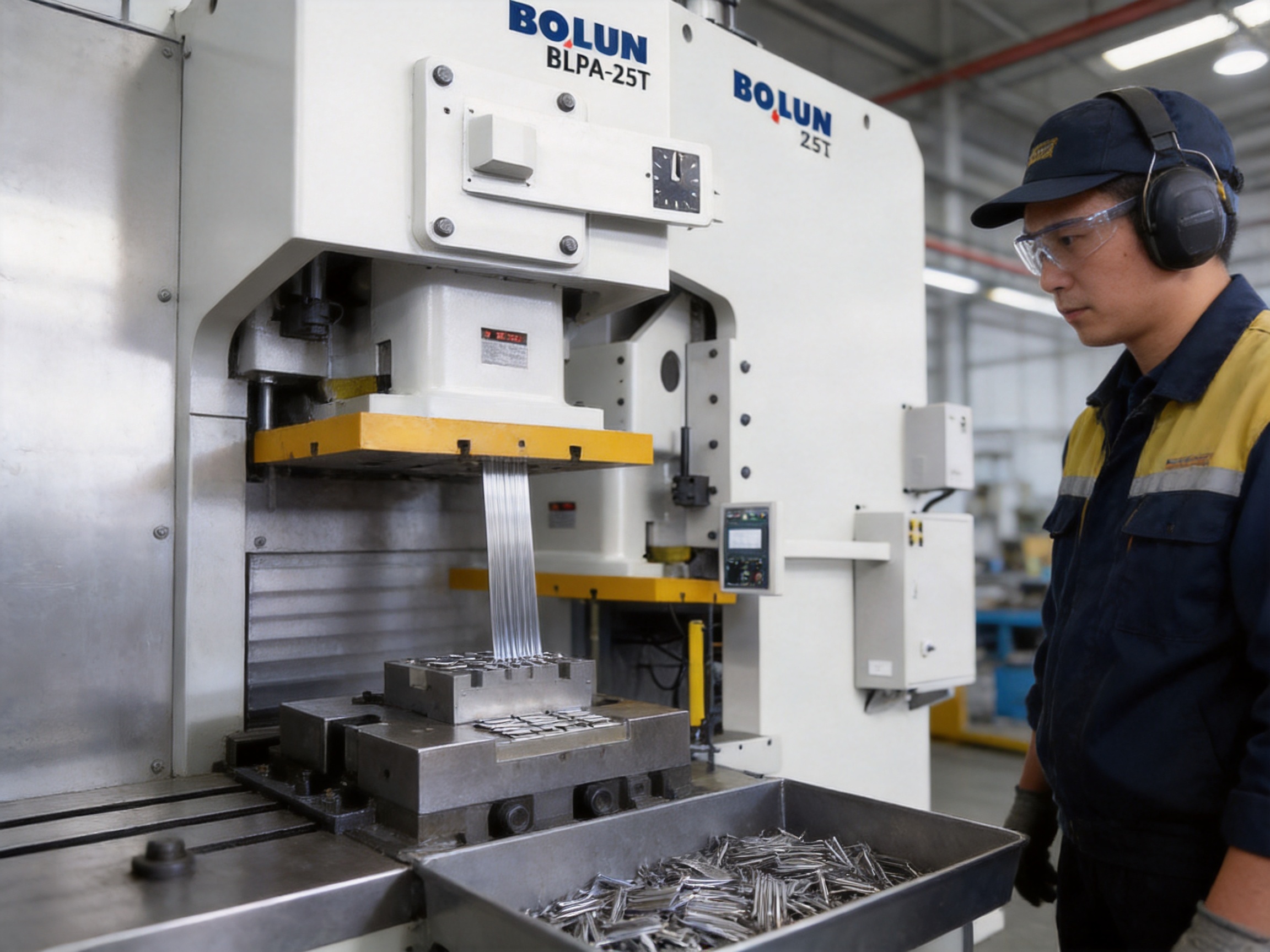
The BLPA-25 is a compact precision open-type single-point power press. It is designed for stamping and forming small and medium-sized precision components using suitable dies and production tooling.
The nominal capacity is 250 kN. The rated capacity should not be exceeded, and the actual forming load should be evaluated according to material properties, die design, load position, and production conditions.
The machine is described as having a sensitive dry clutch brake system, a dual solenoid valve, and a hydraulic overload protector. These systems support controlled operation and protection against abnormal loads. Additional guarding and safety devices should be selected according to the application risk assessment and local regulations.
The detailed specification table lists 195 mm for the V configuration and 215 mm for the H configuration. The product description states a maximum die height of up to 260 mm. Because these values differ, the customer should confirm the exact maximum die height for the ordered configuration before designing or purchasing tooling.
The product description identifies a manual slide adjustment device. The detailed table includes a 0.4 kW die-height adjuster for the BLPA-25 range. Customers should confirm the final adjustment method in the technical quotation because configurations may vary.
The supplied table lists a 70 mm slide stroke for the V configuration and a 30 mm slide stroke for the H configuration. The appropriate option depends on the die design, material feed, forming depth, and required production speed.
The listed speed-changing range is 60 to 140 strokes per minute for the V configuration and 40 to 120 strokes per minute for the H configuration. Stable speeds are listed as 110 and 85 strokes per minute respectively. Practical production speed depends on the die, material, feed system, lubrication, inspection requirements, and safety conditions.
The machine may be suitable for various sheet-metal materials when the material thickness, tensile strength, die clearance, forming force, and process requirements remain within the rated limits. The exact material range should be confirmed through load calculations and application testing.
The open-type design may support feeder and conveyor integration. However, automatic integration requires coordinated mechanical interfaces, control signals, sensors, guarding, emergency stops, and line-level safety validation. The feeder arrangement should be discussed with the manufacturer before purchase.
Customers should confirm nominal capacity, configuration, slide stroke, speed range, die height, adjustment method, worktable dimensions, slide bottom dimensions, throat depth, shank-hole diameter, electrical requirements, air pressure, guarding, accessories, delivery scope, and acceptance criteria.
The frame is made from steel plates that undergo heat treatment intended to eliminate internal stress. This supports structural stability and helps reduce the risk of dimensional movement caused by residual stresses in the fabricated frame.
Potential users include manufacturers of electrical components, hardware, small appliance parts, automotive subcomponents, metal fittings, brackets, clips, and other precision stamped products. Suitability depends on the actual part and die requirements.
Suitability for deep drawing depends on draw depth, material, blank-holder requirements, force curve, die design, and process speed. Customers should not assume that a general-purpose mechanical press is suitable for every deep-drawing operation. A detailed application review is recommended.
Maintenance should include regular inspection of the clutch brake, solenoid valves, hydraulic overload protector, pneumatic pressure, guides, adjustment mechanism, lubrication points, fasteners, electrical controls, and safety devices. The manufacturer’s maintenance schedule and approved materials should be followed.
The manufacturer is located in Shengzhou City, Zhejiang Province, China, with an office address in Hangzhou. It reports capabilities covering design, production, sales, service, precision processing, customization, and quality management.
The BLPA-25 Compact Precision Open-Type Single-Point Power Press is designed for manufacturers that need reliable force, repeatable movement, accessible tooling space, and efficient production in a compact machine. Its 250 kN nominal capacity makes it suitable for many small and medium-sized stamping applications, while its rigid heat-treated frame supports long-term structural stability.
The sensitive dry clutch brake system, dual solenoid valve, and hydraulic overload protector contribute to responsive operation and machine protection. The open-type structure simplifies access, and the slide adjustment system supports practical die setup. The available V and H configurations provide flexibility in stroke, speed, and die-height characteristics, although the final specifications should be confirmed before ordering.
Behind the machine is a manufacturer with reported experience in precision machinery, in-house design, advanced processing, customized production, inspection, assembly, and customer service. This combination gives the BLPA-25 value not only as a standalone press, but also as part of a broader equipment solution for precision manufacturing.
When correctly matched with the die, material, feed system, and production objectives, the BLPA-25 can help improve stamping efficiency, reduce setup interruptions, protect tooling, and support consistent product quality. Its compact precision-oriented design makes it a practical option for manufacturers seeking dependable forming performance without immediately moving to a larger and more costly press platform.
1. Product technical data supplied for the BLPA series open-type single-point power press.
2. Product description and application information for the BLPA-25 compact precision power press.
3. Manufacturer-provided company profile and manufacturing capability statement.
4. General principles of mechanical power press operation, clutch-brake systems, and die protection.
5. General industrial guidance on press-machine installation, maintenance, guarding, and operator safety.


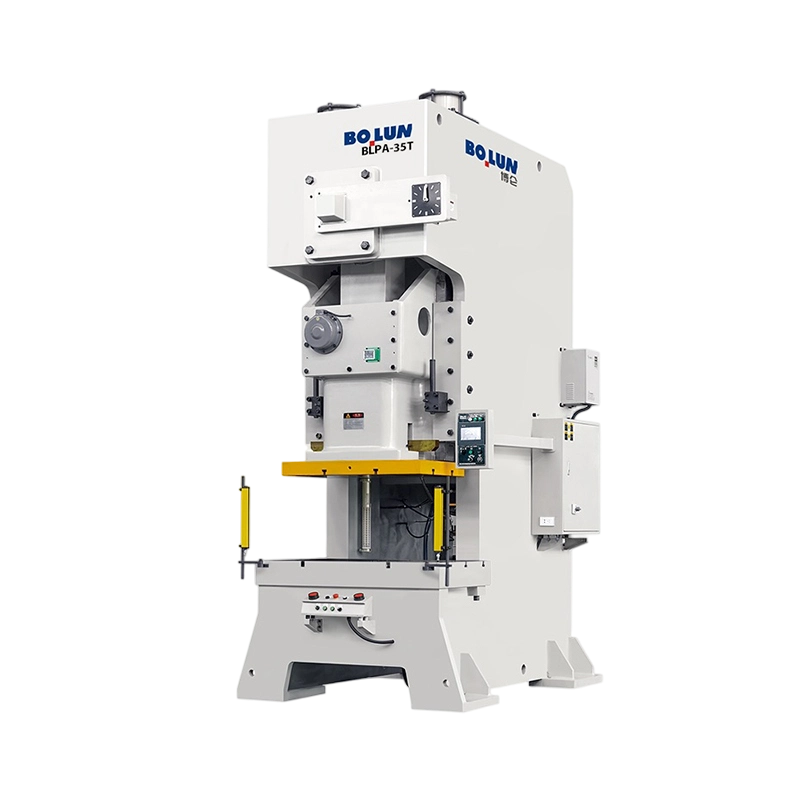
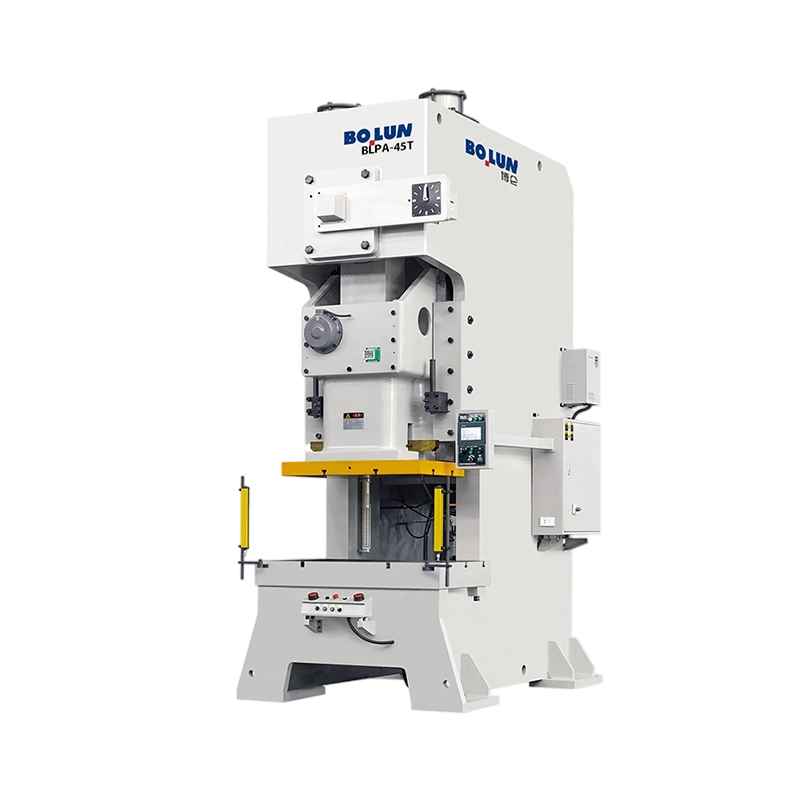
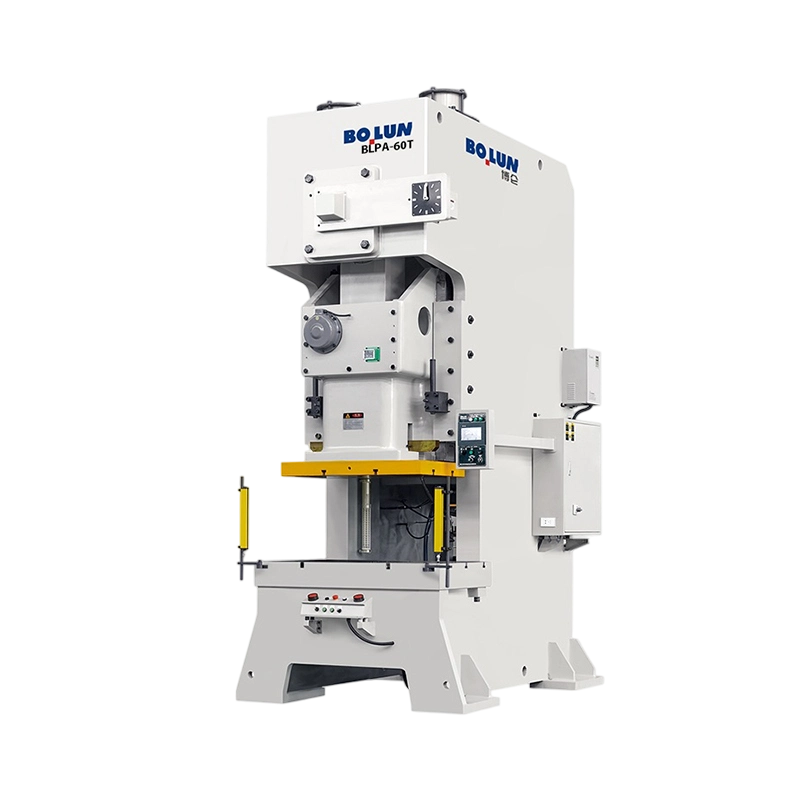
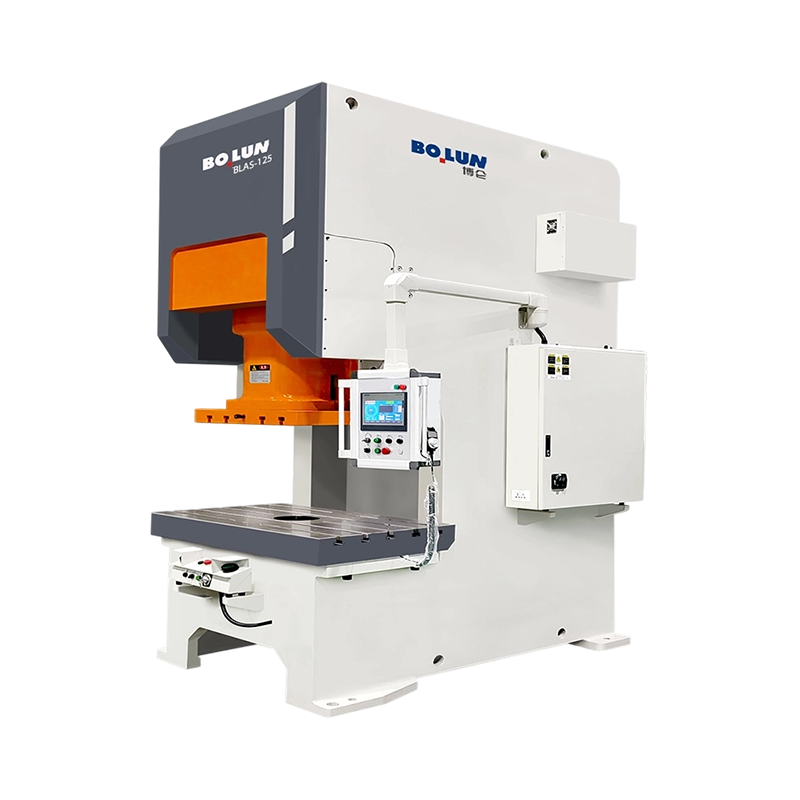
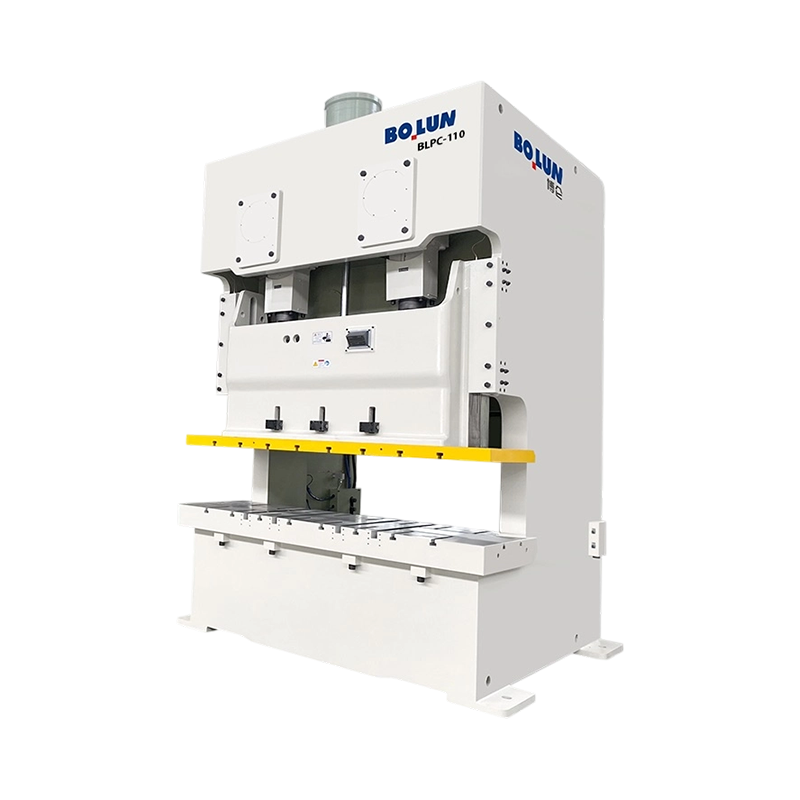
What Is a Power Press? A power press — also called a stamping press or punch pr...
Understanding Mechanical Power Presses and Their Essential Functions A mechani...
In the fields of metal forming, sheet metal fabrication, blanking, and punching,...
Power press machines are classified in two main ways: by frame construction, w...
ZHEJIANG BOLUN INTELLIGENT EQUIPMENT IMPORT & EXPORT TRADING proudly showcas...
As the manufacturing industry moves steadily toward automation and smart product...
Contact Us

bolunpress@gmail.com

+86-575-83362228

+86-15158259588

+86-575-83362999

+86-15158259588

Hangzhou Office Add: No. 332 Wangjiang East Road, Shangcheng District

No.1 Linjiang Road East, Xiaren, Jinting Town, Shengzhou City, Zhejiang Province, China
Ready to Begin?
Get in Touch

Now!

ZHEJIANG BOLUN
 English
 中文简体
中文简体