
Cold forging is one of the most demanding forming processes in modern metal manufacturing. It requires high forming force, accurate control of the slide, stable die support, repeatable motion, and a machine structure capable of absorbing severe working loads over long production cycles. The BLKP-400 Versatile Balanced-Stroke Cold Forging Toggle Type Power Press is designed to address these requirements with a 4,000 kN nominal capacity, a knuckle-joint transmission system, flexible slide strokes, a rigid working structure, and configuration features suitable for multi-station die applications.
Developed for demanding cold forging operations, the BLKP-400 is suitable for processes including upsetting, coining, sizing, precision forming, and other operations in which material flow and dimensional consistency are important. Its toggle-type mechanism is intended to provide controlled force delivery near the bottom of the stroke, while the balanced-stroke concept supports stable forming action and helps reduce undesirable variation during production.
The machine is manufactured by Zhejiang Bolun High-Precision Machinery Co., Ltd., a Chinese producer specializing in forging, forming, and precision machinery. The company integrates product research and development, mechanical design, component processing, assembly, testing, sales, and technical service. This integrated approach enables the manufacturer to coordinate the press structure, transmission mechanism, control requirements, die-support system, and customer-specific options as part of one complete production solution.
The primary specification of the BLKP-400 is its nominal capacity of 4,000 kN. This capacity places the machine in a class suitable for substantial cold forging workpieces and high-load forming operations. In cold forging, the required forming force can rise rapidly as the material fills the die cavity, especially during upsetting, coining, and sizing. A press must therefore deliver sufficient capacity while maintaining structural stability and reliable control at the working position.
The BLKP-400 is configured with a nominal pressure stroke of 6 mm. This value identifies the stroke region associated with the rated forming capacity. The distinction between the overall slide stroke and nominal pressure stroke is important for production planning. The full slide stroke is available for material loading, transfer, die opening, and process movement, while the nominal pressure stroke indicates the effective region in which the press develops its specified forming force.
For the BLKP-400, the available slide stroke is 160 mm or 180 mm. This flexibility allows users to select a configuration that better matches the tooling arrangement, workpiece geometry, material transfer requirements, and production cycle. A shorter stroke may be appropriate for compact tooling and fast repetitive work, while a longer stroke can provide additional clearance for more complex dies or deeper forming sequences.
The machine offers a production speed range of approximately 30 to 50 strokes per minute, depending on the selected configuration and process conditions. Actual operating speed should be determined according to material grade, workpiece size, lubrication, die design, feeding method, forming load, and required quality. The available range gives manufacturers room to balance output with tool life, energy consumption, heat generation, and dimensional control.
Cold forging is not simply a matter of applying maximum force. The timing and distribution of force are equally important. Excessive impact, poor alignment, or uncontrolled bottom-dead-center behavior can cause die damage, workpiece defects, or premature wear. The BLKP-400 is designed to provide a controlled forming action that supports repeatable contact between the material and die surfaces.
The defining feature of the BLKP-400 is its toggle-type, or knuckle-joint, mechanism. In this arrangement, the motion of the main drive is transmitted to the slide through linked components. As the linkage approaches the end of its forming movement, the mechanical advantage of the mechanism increases. This enables the press to deliver substantial forming force within a relatively short pressure region while maintaining controlled slide movement.
Compared with a conventional direct-crank arrangement, a knuckle-joint system can provide a slower and more controlled slide movement near the bottom of the stroke. This characteristic is valuable in cold forging because it gives the material more controlled time to flow into the die cavity. A properly designed toggle mechanism can also reduce abrupt impact and support more stable forming pressure during the final stage of the operation.
The balanced-stroke concept further contributes to consistent operation. In a demanding cold forging cycle, the slide must travel in a predictable manner while the frame, die set, worktable, and transmission system remain properly aligned. Balanced motion can help reduce uneven loading and vibration, which are common concerns when a press is operated continuously at high force.
Material flow is one of the most important factors in cold forging quality. When the material enters a die cavity under controlled conditions, the risk of incomplete filling, folding, cracking, and uneven density can be reduced. The BLKP-400’s toggle-type motion is intended to support this controlled flow, particularly during upsetting, coining, and sizing operations where the final portion of the stroke has a strong influence on geometry and surface definition.
The mechanism also provides a practical advantage for tooling. Stable movement near the forming position can reduce unnecessary shock loading on punches, dies, inserts, and guiding elements. Tool life depends on many factors, including material, lubrication, heat treatment, alignment, and forming pressure, but controlled press motion is an important part of the overall tooling strategy.
For manufacturers comparing different press types, the key advantage of a toggle press is not merely its rated capacity. The more important consideration is how efficiently and consistently the machine converts drive power into useful forming force. The BLKP-400 is designed to concentrate its forming action where the workpiece requires it, helping users achieve high-force forming with controlled motion and repeatable bottom-position behavior.
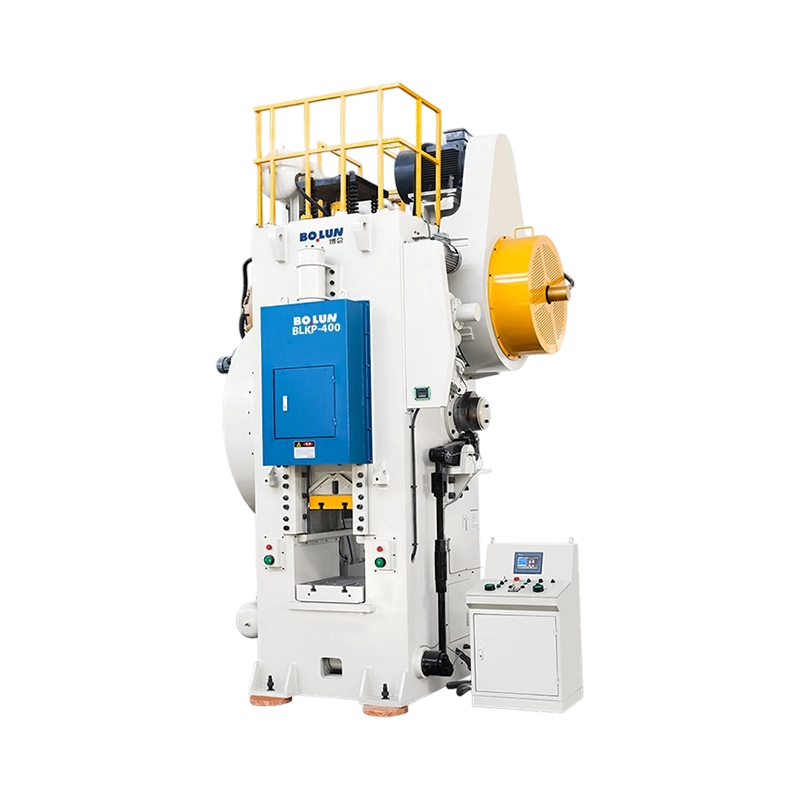
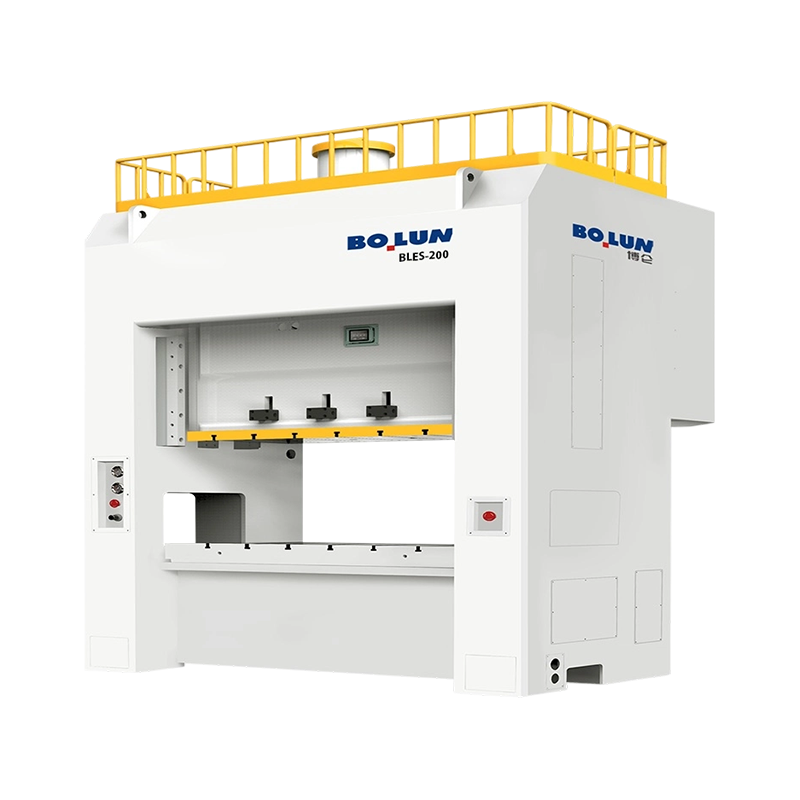
BLKP-400 Versatile Balanced-Stroke Cold Forging Toggle Type Power Press
The BLKP-400 is equipped with a worktable measuring 550 × 660 × 120 mm. This provides a stable foundation for dies, fixtures, transfer components, and auxiliary tooling used in cold forging applications. The worktable dimensions are suitable for a broad range of medium-to-large die assemblies and can support tooling layouts designed for sequential forming operations.
Die support is especially important in cold forging because the forming loads are concentrated over relatively small contact areas. The table must resist deformation and maintain alignment between the lower die, upper die, slide, and workpiece. A rigid worktable helps preserve the intended relationship between the tooling components during repeated high-force cycles.
The slide bottom size of the BLKP-400 is 400 × 500 mm. This dimension should be considered together with the worktable size, die height, die shoe design, and the arrangement of punches and inserts. Proper matching of the slide bottom and die set allows the forming load to be distributed effectively and helps prevent localized stress in the tooling or press structure.
The maximum die height is 400 mm. This provides useful space for tooling assemblies that include multiple stations, transfer mechanisms, guide systems, knockout components, or special inserts. A machine’s die-height capability affects more than the physical fit of the tooling. It also determines how much adjustment range is available for setup, maintenance, and future product changes.
The BLKP-400 provides a die-height adjustment of 15 mm. This adjustment allows operators and technicians to fine-tune the relationship between the slide and the die assembly. Accurate adjustment is essential for achieving the correct forming position, controlling the final workpiece dimensions, and preventing excessive interference between punches and dies.
The stated maximum die weight for the BLKP-400 is 800 kg. This capacity gives the machine a substantial tooling allowance for robust cold forging dies and multi-stage assemblies. Die weight must always be evaluated together with lifting equipment, installation procedures, table loading distribution, and the manufacturer’s operating instructions. Correct handling during die changes is essential for protecting both personnel and equipment.
The working-face height is 820 mm. This dimension influences operator access, feeding arrangements, material handling, and the design of peripheral automation. A practical working height can simplify setup and inspection while reducing unnecessary operator movement during production.
Cold forging productivity often depends on the ability to perform several forming stages in one integrated die system. A multi-station arrangement may include cutting, upsetting, extruding, coining, sizing, piercing, or calibration operations. The BLKP-400’s worktable, slide area, die-height capacity, and adjustable stroke options provide a foundation for configuring such tooling, subject to the specific workpiece and die design.
Multi-station dies can reduce the need for separate machines and intermediate handling. This may shorten production routes, reduce work-in-process inventory, and improve process consistency. However, the success of a multi-station application depends on precise material transfer, accurate die alignment, reliable lubrication, and synchronized press movement. The BLKP-400 should therefore be considered as part of a complete forming cell rather than as an isolated machine.
The press can also be integrated with loading, feeding, transfer, lubrication, inspection, and collection systems when the application requires automation. A properly engineered automated line can improve repeatability and reduce manual handling of heavy or high-volume workpieces. The manufacturer’s design and customization capabilities can support the development of solutions that match individual production requirements.
The BLKP-400 can be applied to a wide range of cold forging tasks. Upsetting operations use compressive force to increase the cross-sectional area or create a head on a workpiece. Coining operations apply high localized pressure to produce accurate forms, details, or surface features. Sizing operations calibrate a previously formed part to achieve more precise dimensions and improved consistency.
In upsetting, controlled slide movement helps the material deform progressively instead of experiencing an unnecessarily severe impact. This can support more uniform material distribution and reduce the possibility of folding or unstable deformation. Tool design, billet preparation, lubrication, and material condition remain critical, but the press mechanism provides an important foundation for process control.
In coining, the final stage of the stroke may require high pressure to reproduce fine surface features or close dimensional tolerances. The toggle-type mechanism is suited to applications where force concentration and controlled bottom movement are valuable. The press can maintain a firm relationship between the upper and lower tooling while the material fills the intended shape.
In sizing, the objective is often to correct dimensions after an earlier forming operation. A repeatable press stroke and stable die support can help improve the consistency of the finished component. Sizing may be used for shafts, fasteners, sleeves, automotive parts, electrical components, and other products that require controlled dimensional accuracy.
The BLKP-400 may also be considered for precision forming of components used in transportation, machinery, energy equipment, appliances, and general industrial production. Suitability depends on the workpiece material, dimensions, required force, tooling arrangement, production volume, and quality standards. Engineering evaluation should be completed before final machine selection.
Press selection involves balancing several factors rather than choosing the highest available capacity. The 4,000 kN rating provides the force required for demanding operations, while the 160 mm or 180 mm stroke options provide flexibility for tooling and workpiece handling. The 30–50 strokes-per-minute range can support a practical compromise between productivity and process stability.
A machine operated at maximum speed may not always provide the best economic result. In some applications, a moderate speed can extend die life, improve lubrication performance, reduce heat accumulation, and lower scrap rates. In other applications, a higher speed may be appropriate when the workpiece is simple, the tooling is robust, and the feeding system is optimized. The BLKP-400 gives users the ability to select operating conditions according to actual process demands.
The main motor specification is 50 kW × 4 poles. This motor configuration provides the drive power required for the press mechanism and supports the machine’s high-force forming function. The motor, flywheel, transmission components, clutch or braking system, and control system work together to determine the machine’s response under load.
The air pressure specification is 0.55 MPa. Stable compressed-air supply is important for pneumatic functions associated with the press system, such as control, braking, clutch operation, lubrication support, or auxiliary equipment, depending on the final configuration. Users should provide clean, dry, and properly regulated air in accordance with the equipment requirements.
The BLKP-400 features an electric slide adjustment system with hydraulic locking. This combination provides convenience during setup while maintaining a secure operating position during production. Electric adjustment reduces the need for manual mechanical changes and allows operators to position the slide more efficiently during die installation and process preparation.
Hydraulic locking is important because the slide must remain securely held after adjustment. Any unwanted movement during high-load forming can affect product quality, increase tool wear, and create safety risks. A reliable locking system helps preserve the selected position throughout the production cycle.
Slide adjustment is particularly valuable in facilities that manufacture multiple product families. Different dies may require different shut heights, working positions, and setup conditions. The ability to adjust the slide efficiently can reduce changeover time and make the machine more adaptable to changing production schedules.
Adjustment accuracy also contributes to process repeatability. When the slide position is properly set, the upper and lower tooling can engage according to the intended die design. This helps control material thickness, forming depth, final dimensions, and the load distribution within the die set.
The adjustment function should be used together with appropriate setup procedures. Operators should verify die alignment, fastening, clearance, lubrication, knockout timing, and press operation at low speed before beginning full production. Proper setup protects the machine and tooling while allowing potential issues to be identified before high-force forming begins.
The BLKP-400 includes a mold pad capacity of 150 kN. The mold pad or lower die-support function can assist with workpiece positioning, material ejection, forming support, or other process requirements, depending on the die design. A controlled lower support system is valuable in cold forging because the workpiece must often be held or released at a precisely defined point in the cycle.
The ram stroke is specified as 60 mm. This movement can support lower ejection or auxiliary forming functions. The actual use of the ram depends on the die assembly and the required sequence. In some applications, it may assist in removing the formed part; in others, it may provide controlled support during forming or coordinate with a transfer system.
Careful coordination between the main slide and lower ram is essential. If the timing or movement is not correctly matched, the workpiece may be damaged or become trapped in the die. For this reason, the final tooling design should define the relationship between the main forming stroke, lower support, ejection, feeding, and transfer operations.
The presence of dedicated mold-pad and ram specifications gives tooling engineers useful design information at the early planning stage. Instead of treating the press only as a source of vertical force, engineers can evaluate how the complete machine movement can support the desired forming sequence.
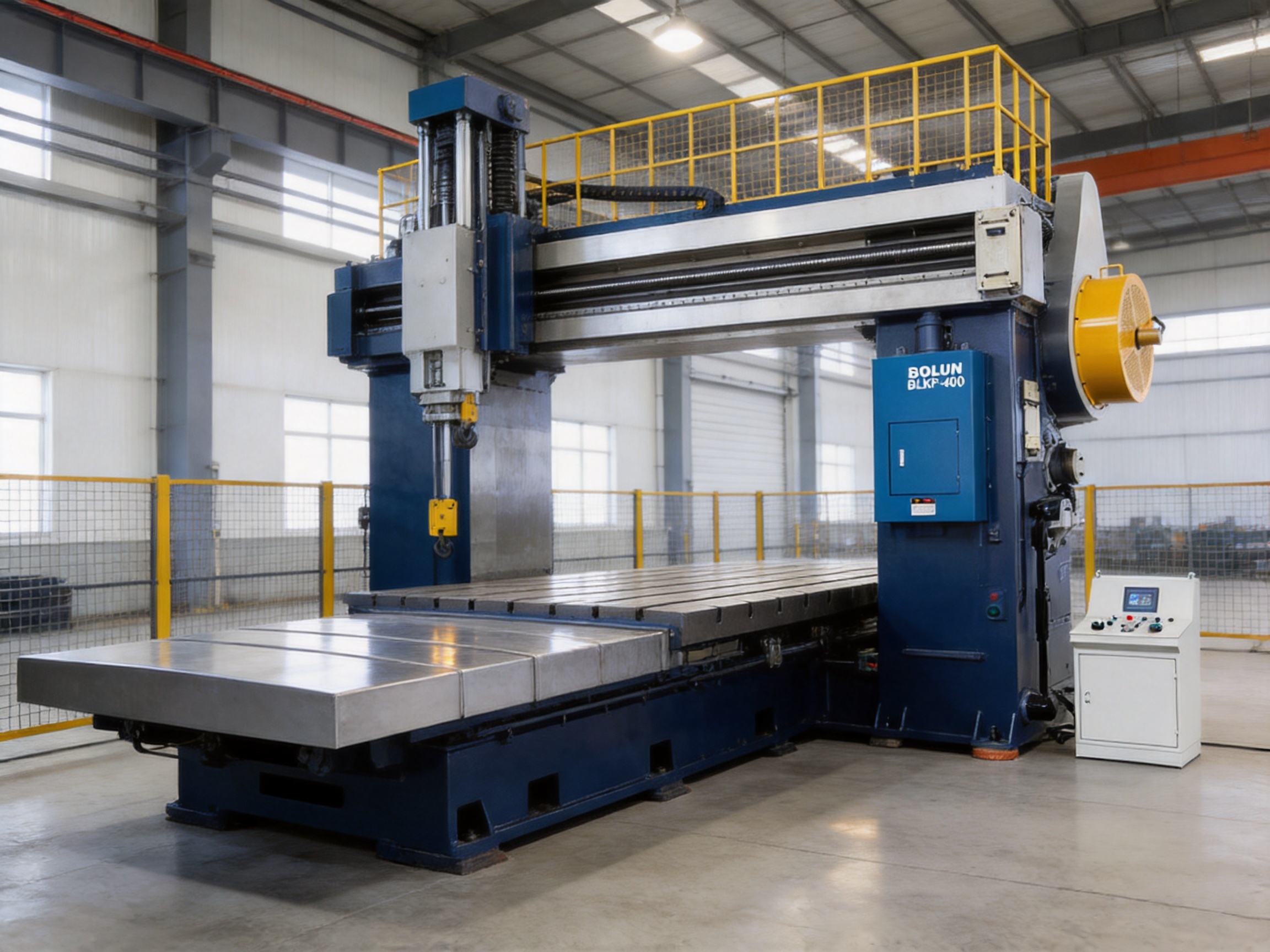
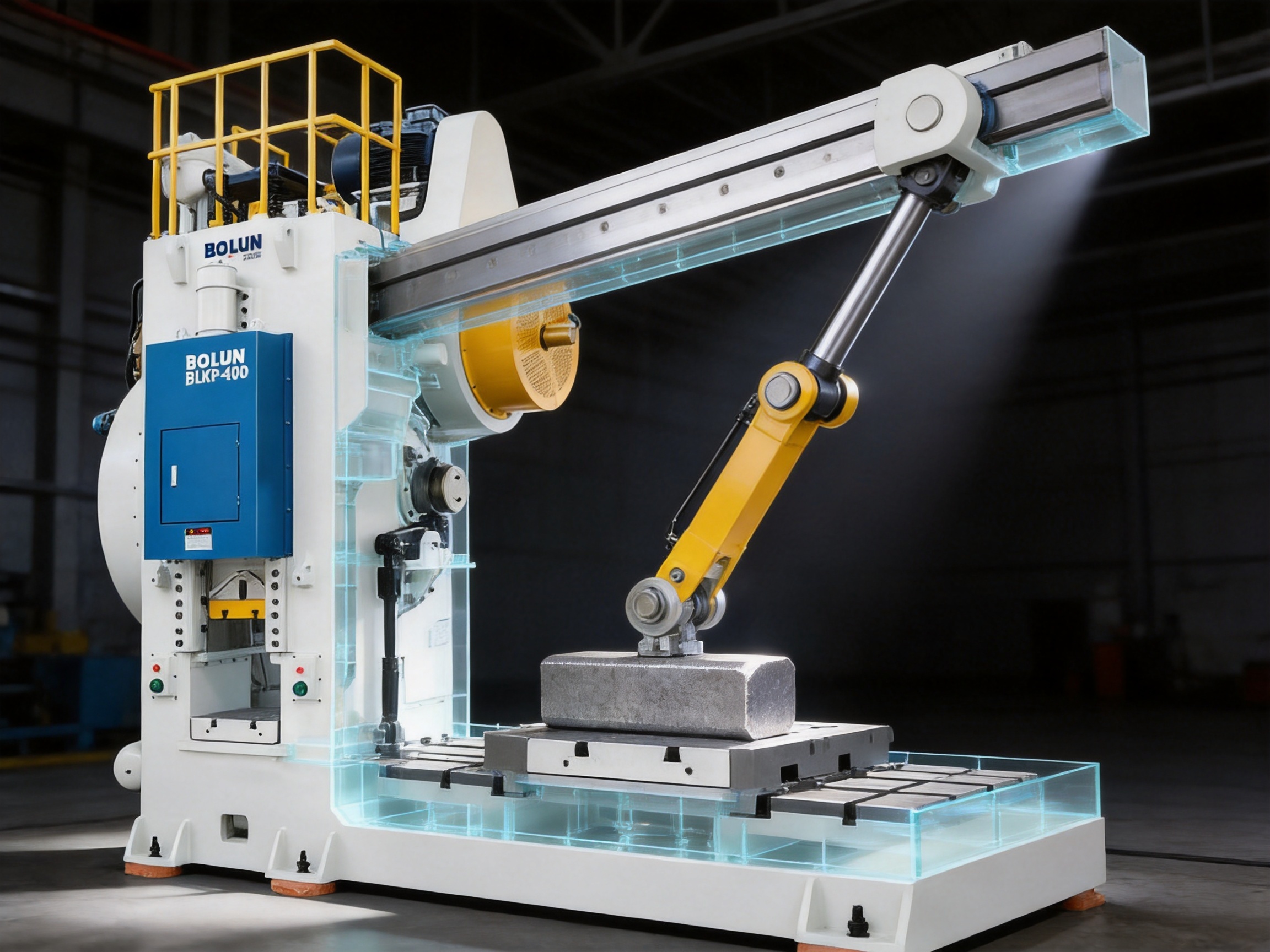
A high-capacity cold forging press requires more than a powerful motor. The frame, slide, table, guide system, crank or toggle components, bearings, fasteners, and die-support surfaces must work as a coordinated structure. Deflection, vibration, misalignment, and uneven load distribution can directly affect product quality and tool life.
Zhejiang Bolun High-Precision Machinery Co., Ltd. emphasizes an integrated manufacturing system covering design, precision processing, component development, assembly, testing, sales, and service. This approach allows the company to control important production stages internally and coordinate the manufacturing of major parts with the final performance objectives of the press.
Advanced processing equipment is used to produce critical machine components with controlled dimensions and surface quality. Large structural parts require stable machining processes, appropriate fixturing, careful reference selection, and inspection at multiple stages. Precision-machined interfaces are essential for maintaining alignment between the frame, worktable, slide guides, transmission elements, and die-support surfaces.
Manufacturing a heavy forming machine also requires attention to stress management. Large castings or fabricated structures may require suitable treatment and controlled processing to reduce the risk of dimensional change during service. The production sequence must be organized so that machining, assembly, alignment, and inspection support long-term stability rather than focusing only on initial operation.
Bolun’s production philosophy combines technical development with practical customization. This is important because cold forging applications often differ significantly in workpiece shape, die arrangement, material, stroke requirement, automation level, and output target. A standard press platform can provide the foundation, while application-specific engineering can address special requirements.
The company integrates research and development with mechanical design and production. This enables the engineering team to evaluate the complete machine system, including the force path, drive mechanism, structural dimensions, slide movement, die adjustment, lower support, control requirements, and service considerations.
Integrated development can also improve communication between designers and manufacturing personnel. A component that appears suitable in a drawing must also be practical to machine, inspect, assemble, lubricate, maintain, and replace. Close coordination among departments helps ensure that the finished machine is not only technically capable but also suitable for real production environments.
The company also provides non-standard customization capabilities. Customers may require changes to the stroke, table arrangement, die height, feeding system, knockout mechanism, automation interface, safety enclosure, electrical control, or production monitoring functions. Such modifications should be evaluated according to forming force, cycle speed, machine structure, tooling requirements, and applicable safety practices.
Quality control is particularly important for high-force forming equipment because small alignment or dimensional errors can become major problems under repeated load. The company states that it applies inspection procedures to finished products, components, and manufacturing processes. These controls are intended to support stable precision, reliable operation, and long service life.
Inspection may include dimensional verification, assembly checks, alignment evaluation, functional testing, lubrication-system checks, control-system testing, and trial operation. The exact inspection plan depends on the press configuration and customer requirements. A complete acceptance process should confirm that the machine performs according to the agreed technical specification.
Testing under controlled conditions can help identify problems before shipment. It also provides an opportunity to confirm the operation of slide adjustment, hydraulic locking, lower support, electrical systems, pneumatic functions, and safety-related devices. For customers, clear documentation of commissioning and acceptance procedures is an important part of machine acquisition.
The BLKP-400 offers several practical advantages when compared with conventional direct-drive or general-purpose mechanical presses used for demanding cold forging work. Its most notable advantage is the combination of high nominal capacity and toggle-type motion. This combination allows the press to provide substantial force near the forming position while maintaining controlled movement through the critical part of the stroke.
A conventional crank press may provide fast and effective operation for many stamping and forming tasks, but some cold forging applications benefit from a slower, more controlled movement near bottom dead center. The toggle mechanism of the BLKP-400 is intended to provide this characteristic, which can improve process suitability for upsetting, coining, and sizing operations.
The machine’s flexible stroke options are another advantage. The ability to select 160 mm or 180 mm allows the configuration to be matched to tooling clearance and process requirements. This is more practical than using one fixed stroke for every application, particularly for manufacturers that operate several die designs or produce different product families.
The 550 × 660 mm worktable and 400 × 500 mm slide bottom provide a useful tooling platform for substantial dies. The 400 mm maximum die height and 800 kg maximum die weight also support robust tooling arrangements. These features can reduce the need to compromise die design merely to fit the press.
Electric slide adjustment with hydraulic locking improves setup efficiency and operating stability. Compared with entirely manual adjustment systems, an electric arrangement can simplify changeovers and reduce physical effort. Hydraulic locking helps ensure that the selected position remains secure during high-load operation.
The BLKP-400 is also advantageous for manufacturers seeking a machine that can become part of a broader forming solution. Its specifications provide a basis for integrating dies, feeders, transfer units, lubrication systems, inspection equipment, and other automation. The manufacturer’s design and customization capabilities can help adapt the machine to individual production objectives.
Competitor comparison should always be based on complete technical data rather than nominal capacity alone. Buyers should evaluate actual force at the required forming position, slide movement, table rigidity, adjustment accuracy, die-support capability, motor power, production speed, control functions, service response, and total ownership cost. Within this broader evaluation, the BLKP-400 presents a strong combination of force, controlled motion, tooling flexibility, and engineering support.
The BLKP-400 can be considered for cold forging components used in automotive and transportation manufacturing. Potential products include shafts, sleeves, pins, fastener-related parts, coupling elements, gear blanks, and other components that benefit from near-net-shape forming. The actual application depends on material ductility, blank dimensions, die design, and the required forming sequence.
In general machinery manufacturing, the press can support the production of high-strength formed components, connecting elements, bushings, and precision-shaped parts. Cold forging can reduce material waste compared with machining from oversized stock, while also improving grain flow in suitable applications.
Electrical and appliance industries may use cold-forged parts for terminals, connectors, housings, fastening components, and small structural elements. Where surface quality and dimensional consistency are important, controlled coining or sizing operations can provide useful finishing benefits.
Energy equipment and industrial hardware manufacturers may also evaluate the press for components requiring substantial compressive forming force. In such applications, the press can be paired with specialized tooling, automated feeding, and inspection systems to create a repeatable production line.
The BLKP-400 is not limited to one product category. Its versatility comes from the ability to combine the machine’s force capacity, toggle movement, adjustable stroke, die-support features, and customized tooling. A feasibility study should be completed for each workpiece to verify force requirements, stress conditions, filling behavior, cycle time, and tool life.
Production efficiency should be measured by more than strokes per minute. A productive cold forging press must deliver consistent parts, minimize setup delays, protect tooling, reduce unplanned downtime, and support predictable maintenance. The BLKP-400 contributes to these objectives through its adjustable configuration and controlled forming mechanism.
Stable forming can reduce process variation and help lower the quantity of rejected parts. When the press, tooling, lubrication, and material preparation are properly matched, consistent slide movement can support more uniform dimensions and surface characteristics. Reduced variation may also simplify downstream operations such as trimming, machining, heat treatment, assembly, or inspection.
Tool life is another important part of lifecycle value. Cold forging dies are expensive precision components, and their service life affects the cost of every finished part. A press that minimizes shock, maintains alignment, and provides consistent loading can help create favorable conditions for longer tool life. Tool life will still depend on die material, heat treatment, workpiece material, lubrication, design details, and maintenance.
Changeover efficiency has a direct impact on equipment utilization. Electric slide adjustment can shorten setup operations, especially when different products require different working positions. When combined with prepared die carts, preset tooling, standardized setup procedures, and automated parameter management, the machine can support efficient production scheduling.
Energy use should also be assessed over the full production cycle. Motor power, operating speed, load profile, lubrication, idle time, and auxiliary systems all affect consumption. Running the press at the appropriate speed and avoiding unnecessary idle operation can help improve operating economy.
Serviceability is equally important. Heavy forming equipment should provide access for inspection, lubrication, adjustment, and replacement of wear components. Customers should establish preventive maintenance schedules covering bearings, guides, fasteners, hydraulic components, pneumatic circuits, electrical systems, lubrication lines, and tooling interfaces.
Proper installation is essential for achieving the intended performance of the BLKP-400. The foundation must be designed according to the machine weight, dynamic loads, installation environment, and local engineering requirements. The press should be leveled and aligned carefully before tooling is installed.
Utilities should be prepared in advance. The electrical supply must match the machine’s motor and control requirements, while the compressed-air system should provide the specified 0.55 MPa pressure with suitable filtration and regulation. The installation area should also provide adequate space for die handling, material loading, maintenance, inspection, and safe operator movement.
Commissioning should begin with checks of mechanical assembly, lubrication, electrical connections, pneumatic functions, hydraulic locking, slide adjustment, and lower support operation. The machine should be operated at low speed during initial testing. Gradual testing allows technicians to verify movement, timing, clearances, noise, vibration, and control functions before production loading begins.
Operator training should cover normal operation, die installation, slide adjustment, hydraulic locking, emergency procedures, lubrication, inspection, fault response, and safe shutdown. Maintenance personnel should receive additional training in alignment checks, wear monitoring, component replacement, and troubleshooting.
Cold forging operations can involve stored mechanical, hydraulic, pneumatic, and electrical energy. Only authorized and trained personnel should operate or service the press. Lockout and isolation procedures must be followed during maintenance, die changes, cleaning, and inspection.
Before ordering a BLKP-400, users should prepare complete information about the intended workpiece. This should include material grade, billet dimensions, finished dimensions, forming stages, required tolerances, surface requirements, lubrication method, production volume, and expected cycle time.
The forming force should be calculated using the actual material and geometry rather than relying only on a general estimate. The force curve, peak load position, die pressure, and required safety margin should be evaluated. The 4,000 kN nominal capacity must be matched to the true process requirement and the intended tooling configuration.
Tooling dimensions should be reviewed against the worktable size, slide bottom size, maximum die height, die-weight limit, and adjustment range. Engineers should also consider the location of the forming load relative to the table and slide center. Eccentric or uneven loading can affect machine life and product accuracy.
The stroke option should be selected according to the tooling and workpiece movement. The 160 mm and 180 mm versions may serve different requirements for clearance, feeding, transfer, and die opening. The desired strokes-per-minute range should also be discussed in relation to material handling and lubrication.
Automation requirements should be defined at the beginning of the project. These may include coil or bar feeding, blank preparation, robotic loading, transfer mechanisms, automatic lubrication, part ejection, vision inspection, dimensional measurement, data collection, and production monitoring. Early integration reduces the risk of incompatibility between the press, die, and peripheral equipment.
Customers should also clarify documentation, acceptance standards, spare parts, training, installation support, warranty terms, and after-sales service. A clear technical agreement helps both the manufacturer and the user establish measurable expectations.
Zhejiang Bolun High-Precision Machinery Co., Ltd. has developed its business around high-precision forming equipment and industrial machine tools. The company describes its experience as extending across approximately two decades of machinery manufacturing, with capabilities covering research and development, design, production, sales, and service.
The company’s location in Zhejiang provides access to a strong manufacturing ecosystem, engineering resources, component suppliers, and industrial infrastructure. Its production system includes precision processing equipment and a structured manufacturing environment designed to support the progression from basic design and component development to final assembly and testing.
One of the company’s strengths is its ability to combine standardized product platforms with special-purpose engineering. Standardized elements can support repeatability and simplify production, while customized elements allow the machine to meet individual customer requirements. This balance is important in cold forging, where a general machine may need adaptations for specific dies, product shapes, transfer systems, or quality objectives.
Another strength is the company’s stated emphasis on quality control. High-force presses must operate reliably under repeated mechanical stress, and quality cannot be confirmed only through visual inspection. Component precision, assembly alignment, functional testing, and final performance checks all contribute to long-term reliability.
The company also presents a customer-oriented service model covering pre-sales consultation, in-sales support, and after-sales assistance. For international users, this type of support can be valuable during application analysis, machine configuration, installation, commissioning, operator training, spare-parts planning, and troubleshooting.
Bolun’s focus on technological development includes interest in intelligent and digital forming equipment. As manufacturing becomes more connected, customers increasingly expect machine data, production monitoring, parameter management, fault diagnosis, and integration with factory information systems. These capabilities can be considered when specifying a new BLKP-400 production line.
| Item | BLKP-400 Specification |
| Product type | Cold forging toggle type power press |
| Nominal capacity | 4,000 kN |
| Nominal pressure stroke | 6 mm |
| Slide stroke options | 160 mm or 180 mm |
| Strokes per minute | 30–50 S.P.M., depending on configuration and process |
| Maximum die height | 400 mm |
| Maximum die weight | 800 kg |
| Worktable size | 550 × 660 × 120 mm |
| Slide bottom size | 400 × 500 mm |
| Working-face height | 820 mm |
| Die-height adjustment | 15 mm |
| Air pressure | 0.55 MPa |
| Main motor | 50 kW × 4 poles |
| Mold pad capacity | 150 kN |
| Ram stroke | 60 mm |
| Slide adjustment | Electric adjustment with hydraulic locking |
| Primary applications | Upsetting, coining, sizing, and related cold forging processes |
The values in this table should be reviewed together with the final technical offer and machine configuration. Certain operating parameters may vary according to selected stroke, tooling, automation, safety equipment, and customer-specific requirements.
The BLKP-400 combines the characteristics that cold forging manufacturers generally seek in a high-capacity mechanical press: substantial forming force, controlled movement, reliable die support, flexible stroke selection, practical adjustment, and a structure designed for repeated industrial operation.
Its 4,000 kN nominal capacity provides a strong foundation for demanding forming work. Its toggle-type mechanism supports controlled movement and force concentration near the forming position. Its 160 mm or 180 mm stroke options allow the machine to be adapted to different tooling requirements. Its 550 × 660 mm worktable and 400 mm maximum die height provide useful space for substantial die assemblies.
The electric slide adjustment system with hydraulic locking improves setup convenience and helps maintain a stable working position. The mold pad capacity and ram stroke provide additional design possibilities for ejection, support, and coordinated die functions. Together, these features make the machine suitable for both standalone cold forging operations and more integrated production cells.
Compared with a general-purpose press selected only by tonnage, the BLKP-400 offers a more application-focused configuration. It is designed around the specific needs of cold forging, where material flow, bottom-position control, die alignment, and tool protection are central to production success.
The manufacturer’s integrated design and production capabilities add further value. Customers can work with a supplier that understands the relationship between press structure, mechanism, tooling, automation, manufacturing quality, and after-sales support. This can simplify project coordination and help reduce the technical risks associated with high-force forming equipment.
For companies seeking to improve cold forging capacity, reduce production steps, increase forming consistency, or develop automated multi-station production, the BLKP-400 provides a versatile and technically focused platform. Its final suitability should be confirmed through application analysis, forming-force calculations, tooling review, and production testing.
The BLKP-400 is a toggle-type power press designed for cold forging. It uses a knuckle-joint mechanism to provide controlled slide motion and high forming force near the pressure portion of the stroke.
The nominal capacity is 4,000 kN. The actual suitability of the press must be confirmed using the workpiece material, forming geometry, tooling design, load curve, and required safety margin.
The machine is available with a slide stroke of 160 mm or 180 mm. The appropriate option depends on die height, tooling clearance, feeding requirements, transfer movement, and the forming process.
The BLKP-400 is suitable for cold forging processes such as upsetting, coining, sizing, precision forming, and related operations. A complete process evaluation is recommended for each product.
The knuckle-joint mechanism can provide slower, more controlled slide movement near the bottom of the stroke while concentrating mechanical advantage in the forming region. This can support controlled material flow, stable pressure, and reduced impact on tooling.
The worktable measures 550 × 660 × 120 mm. The slide bottom size is 400 × 500 mm.
Yes, the worktable, die-height capacity, slide dimensions, and adjustable stroke provide a basis for multi-station tooling. The final design must confirm die weight, transfer clearance, forming load, material handling, and lower-support requirements.
The BLKP-400 uses electric slide adjustment with hydraulic locking. Electric adjustment supports more convenient setup, while hydraulic locking helps secure the selected position during production.
The maximum die height is 400 mm, with a die-height adjustment range of 15 mm.
The mold pad capacity is 150 kN. Its exact function depends on the die and process design and may include lower support, ejection, or workpiece positioning.
The main motor is specified as 50 kW × 4 poles.
Buyers should evaluate material grade, blank size, finished dimensions, forming-force requirements, die design, production speed, lubrication, automation, worktable loading, die weight, installation conditions, service requirements, and acceptance criteria.
The company offers non-standard design and manufacturing capabilities. Customization may involve tooling interfaces, feeding, transfer, ejection, automation, control functions, stroke selection, safety systems, or other application-specific features.
It can serve as the main machine in an automated cold forging cell. Possible additions include feeding, transfer, lubrication, inspection, part collection, and production monitoring systems. Compatibility should be confirmed during project engineering.
Cold forging systems require coordination between the press, dies, material preparation, lubrication, automation, and quality control. Technical support during selection, installation, commissioning, training, and maintenance can help users achieve more stable production.
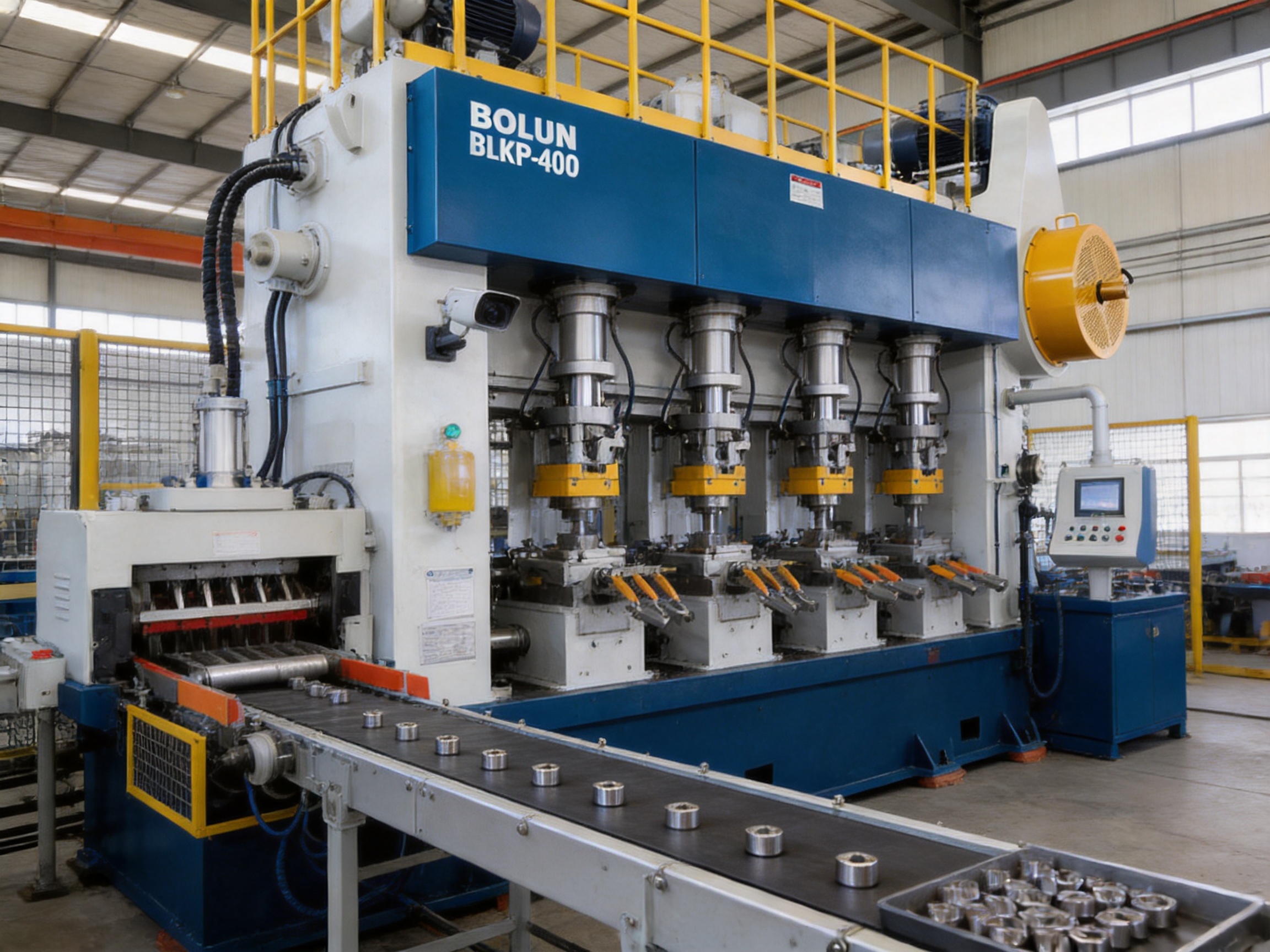
The BLKP-400 Versatile Balanced-Stroke Cold Forging Toggle Type Power Press is engineered for high-force, controlled, and repeatable cold forging. Its 4,000 kN nominal capacity, 160 mm or 180 mm slide stroke options, 550 × 660 mm worktable, electric slide adjustment, hydraulic locking, and knuckle-joint mechanism make it a flexible choice for upsetting, coining, sizing, and related forming operations.
The press’s greatest value lies in the combination of force and control. Its toggle mechanism is intended to improve the way forming force is applied, supporting material flow and helping protect tooling during demanding production. Its practical die-support dimensions and auxiliary mold-pad functions make it suitable for substantial tooling and potential multi-station applications.
Manufactured by a company with integrated research, design, processing, assembly, inspection, sales, and service capabilities, the BLKP-400 can be developed as part of a broader production solution. Customers can evaluate the standard machine platform together with customized tooling, automation, digital monitoring, and service requirements.
For manufacturers looking to expand cold forging capacity, improve dimensional consistency, reduce process steps, or establish a more efficient forming line, the BLKP-400 offers a strong technical foundation. Final machine selection should be based on detailed process calculations, tooling analysis, production objectives, installation conditions, and a formal technical confirmation.
1. ASM International, “ASM Handbook: Forming and Forging,” technical reference on forging processes, materials, tooling, and production considerations.
2. American Society of Mechanical Engineers, “Safety Standards for the Construction, Care, and Use of Mechanical Power Presses,” reference for mechanical press safety principles.
3. Schuler, “Metal Forming Handbook,” reference on press technology, forming processes, die systems, and production engineering.
4. International Organization for Standardization, “Metalforming Machinery Safety Principles,” general reference for risk reduction and safe equipment operation.
5. Technical product information supplied for the BLKP-400 Versatile Balanced-Stroke Cold Forging Toggle Type Power Press.
6. Manufacturer information supplied by Zhejiang Bolun High-Precision Machinery Co., Ltd., including company capabilities, production philosophy, quality management, customization, and service scope.


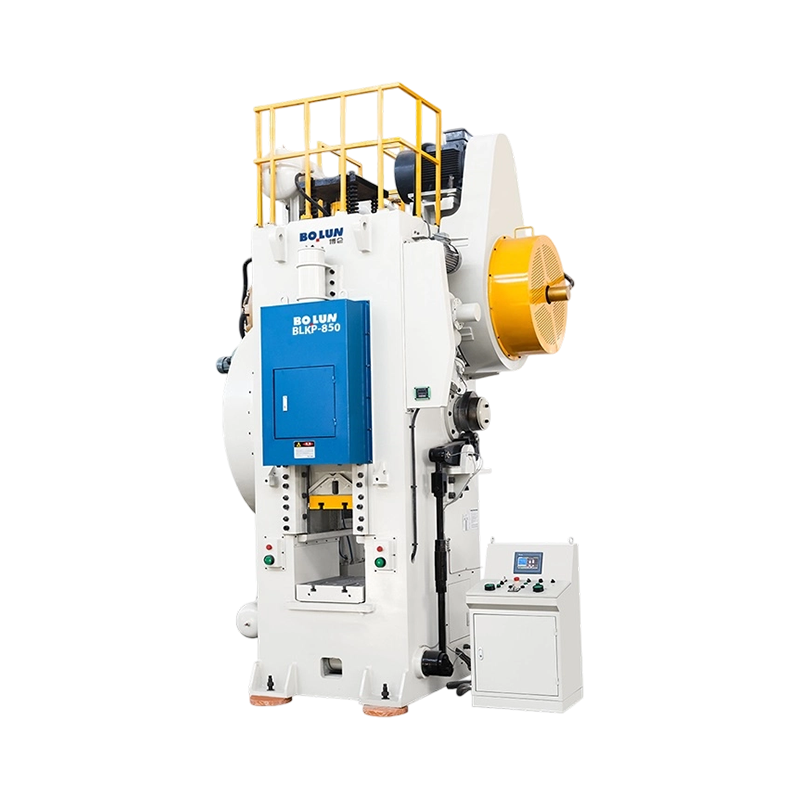
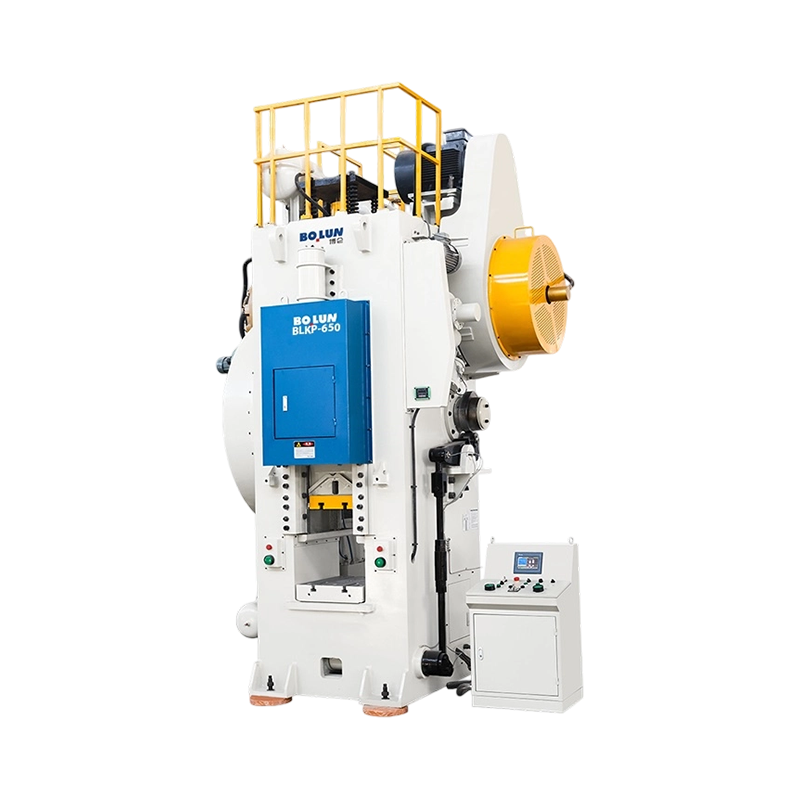
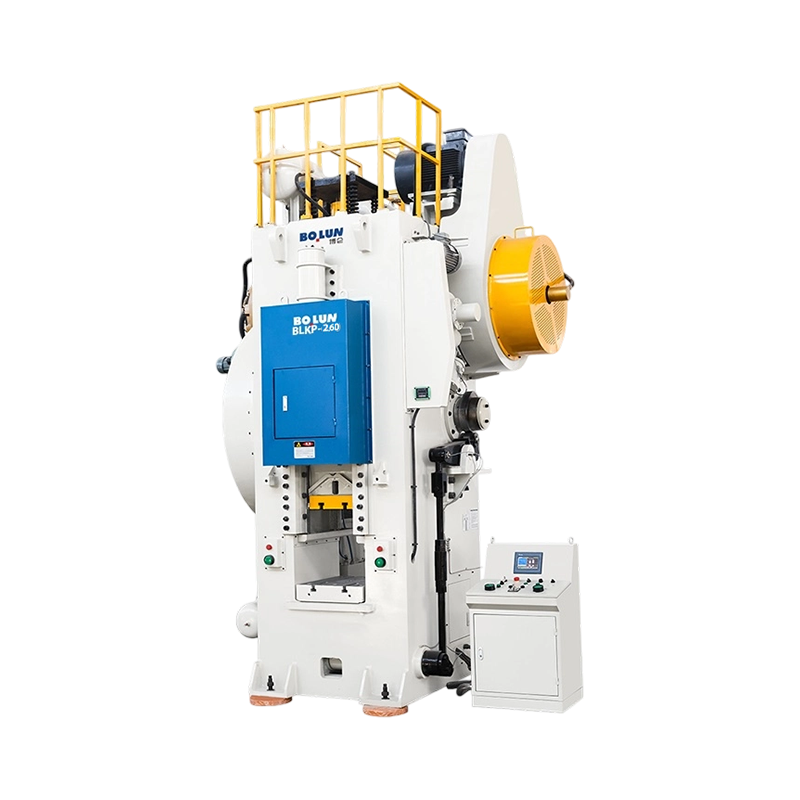
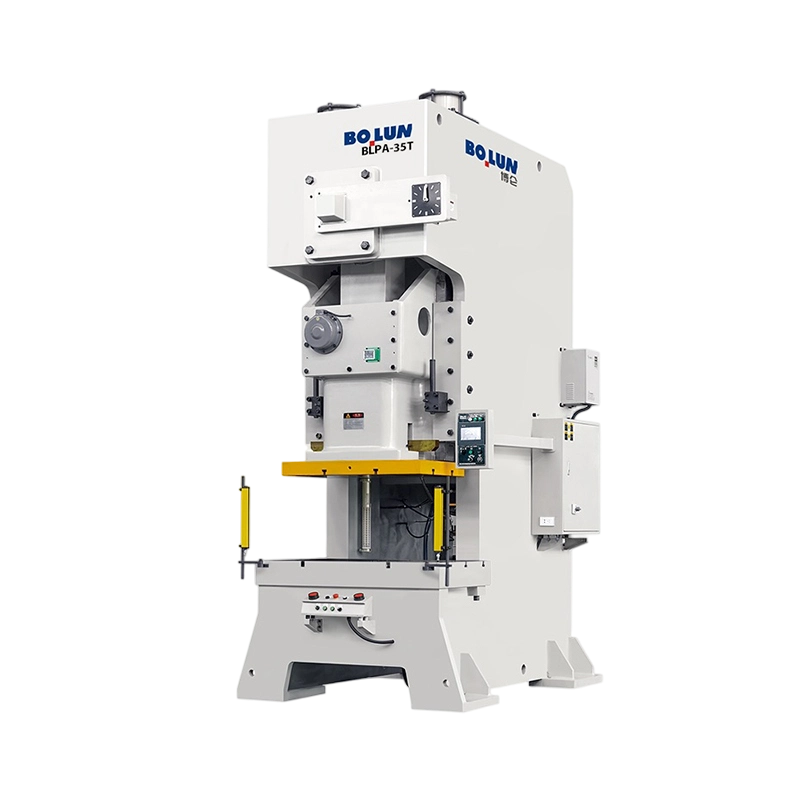
Power press machines are classified in two main ways: by frame construction, w...
What Is a Power Press? A power press — also called a stamping press or punch pr...
Understanding Mechanical Power Presses and Their Essential Functions A mechani...
A cold forging die rarely announces its failure in advance. One day the press r...
In the fields of metal forming, sheet metal fabrication, blanking, and punching,...
Power Press Technology Overview: From Fundamentals to Equipment Selection In the...
Contact Us

bolunpress@gmail.com

+86-575-83362228

+86-15158259588

+86-575-83362999

+86-15158259588

Hangzhou Office Add: No. 332 Wangjiang East Road, Shangcheng District

No.1 Linjiang Road East, Xiaren, Jinting Town, Shengzhou City, Zhejiang Province, China
Ready to Begin?
Get in Touch

Now!

ZHEJIANG BOLUN
 English
 中文简体
中文简体